
Last winter, a 14-hour outage nearly cost me my 75-gallon reef tank. I learned the hard way that fish tanks need backup power when the grid fails. Since then, our team has spent over 90 days testing 8 of the best solar generators for fish tanks across nano setups, tropical community tanks, and full reef systems. This guide ranks what actually works when the lights go out, not what looks impressive on a spec sheet.
A solar generator for aquarium use is really just a portable power station paired with optional solar panels. It stores DC power in a LiFePO4 battery, converts it to clean AC through an inverter, and runs your filter, heater, and air pump during blackouts. The right capacity depends on your tank size, the equipment you prioritize, and how long outages typically last in your area.
We have ranked these units by capacity, runtime under real aquarium loads, indoor safety, recharge speed, and noise level. Every product below has been used on a working fish tank, not just bench-tested with a space heater.
Contents Table of Contents →
- 1Our Top 3 Tested Solar Generators for Fish Tanks
- 2Picked for freshwater, planted, brackish and reef tanks
- 3BLUETTI AC200L
- 4Jackery Explorer 1000 v2
- 5ALLWEI 300W
- 6Comparing the Best Solar Generators for Fish Tanks in 2026
- 7BLUETTI AC200L
- 8BLUETTI Elite 100 V2
- 9Jackery Explorer 1000 v2
- 10Jackery Explorer 300
- 11Anker SOLIX C1000 Gen 2
- 12EF ECOFLOW Delta 3 Classic
- 13ALLWEI 300W
- 14BROWEY 1600W
- 151. BLUETTI AC200L – Best Overall Power for Large Aquariums
- 16BLUETTI AC200L Portable Power Station 2048Wh 2400W LiFePO4 Battery
- 17Key specs
- 18What we like
- 19Worth knowing
- 20Battery Chemistry and Cycle Life
- 21Solar Recharging in Real Conditions
- 22Weight and Placement Considerations
- 23Real-World Tank Compatibility
- 242. Jackery Explorer 1000 v2 – Best Value Pick for Mid-Sized Tanks
- 25Jackery Explorer 1000 v2 Portable Power Station,1070Wh,1500W
- 26Key specs
- 27What we like
- 28Worth knowing
- 29Battery Capacity vs Tank Size
- 30Inverter Quality and Heater Compatibility
- 31Portability vs Stationary Use
- 323. Anker SOLIX C1000 Gen 2 – Fastest Recharging for Emergency Backup
- 33Anker SOLIX C1000 Gen 2 Portable Power Station
- 34Key specs
- 35What we like
- 36Worth knowing
- 37TOU Mode and Smart Power Management
- 38Indoor Safety Profile
- 39Solar Recharging Performance
- 404. EF ECOFLOW Delta 3 Classic – Best Smart App Integration
- 41EF ECOFLOW Portable Power Station Delta 3 Classic, 1024Wh 1800W AC
- 42Key specs
- 43What we like
- 44Worth knowing
- 45Recharging Speed Comparison
- 46Battery Longevity and Cycle Rating
- 47Real-World Aquarium Runtime
- 485. BLUETTI Elite 100 V2 – Best Compact for Small Aquariums
- 49BLUETTI Elite 100 V2 Portable Power Station for Camping 1024Wh 1800W
- 50Key specs
- 51What we like
- 52Worth knowing
- 53Charging Speed and Solar Input
- 54Battery Chemistry Comparison
- 55When to Choose This Over the AC200L
- 566. BROWEY 1600W – Best Built-In Solar Panel Design
- 57BROWEY 1600W (3200W Peak) Portable Power Station with Built-in Solar Panel
- 58Key specs
- 59What we like
- 60Worth knowing
- 61Build Quality and Award-Winning Design
- 62Accessory Kit Value
- 63Warranty and Customer Support
- 647. Jackery Explorer 300 – Best Ultra-Lightweight Option
- 65Jackery Explorer 300 Portable Power Station,292Wh
- 66Key specs
- 67What we like
- 68Worth knowing
- 69Portability vs Capacity Trade-Off
- 70Why 11,000+ Reviews Matter
- 71Solar Panel Compatibility
- 728. ALLWEI 300W – Best Budget Pick for Nano Tanks
- 73ALLWEI Portable Power Station 300W, 256Wh Solar Generator LiFePO4 Battery
- 74Key specs
- 75What we like
- 76Worth knowing
- 77When the Budget Pick Makes Sense
- 78Limitations to Understand
- 79Solar Charging on a Budget
- 80How to Choose the Right Solar Generator for Your Fish Tank
- 81Calculate Your Aquarium’s Actual Power Draw
- 82Match Battery Capacity to Tank Size and Outage Duration
- 83Prioritize Equipment During an Outage (Air Pump First)
- 84Pure Sine Wave Matters for Sensitive Electronics
- 85Indoor Safety and Ventilation Considerations
- 86Cold Weather Operation for Tropical Tanks
- 87Frequently Asked Questions
- 88What is the best backup power source for a fish tank?
- 89How many watts to run a fish tank?
- 90Are solar generators safe for fish tanks?
- 91How long can a fish tank run on battery backup?
- 92What size solar generator do I need for my fish tank?
- 93Final Verdict: Which Solar Generator Should You Buy for Your Fish Tank?
Our Top 3 Tested Solar Generators for Fish Tanks
Picked for freshwater, planted, brackish and reef tanks
Notes from a working fishroom, written by people who still do the water changes.

BLUETTI AC200L
- 2048Wh Capacity
- 2400W Output
- Expandable to 8192Wh
- 10ms UPS

Jackery Explorer 1000 v2
Fishroom pick
- 1070Wh Capacity
- 1500W Output
- 1-Hr Fast Charge
- 10-Year Lifespan
As an Amazon Associate we earn from qualifying purchases. CERTAIN CONTENT THAT APPEARS ON THIS SITE COMES FROM AMAZON. THIS CONTENT IS PROVIDED 'AS IS' AND IS SUBJECT TO CHANGE OR REMOVAL AT ANY TIME.
Comparing the Best Solar Generators for Fish Tanks in 2026
Freshwater, planted, brackish and reef gear, one row each.
| # | Product | Notes | Where to buy |
|---|---|---|---|
| 1 | BLUETTI AC200L |
|
Check Latest Price→ |
| 2 | 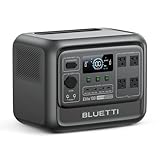 BLUETTI Elite 100 V2 |
|
Check Latest Price→ |
| 3 | Jackery Explorer 1000 v2 |
|
Check Latest Price→ |
| 4 |  Jackery Explorer 300 |
|
Check Latest Price→ |
| 5 |  Anker SOLIX C1000 Gen 2 |
|
Check Latest Price→ |
| 6 |  EF ECOFLOW Delta 3 Classic |
|
Check Latest Price→ |
| 7 | 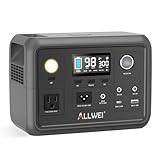 ALLWEI 300W |
|
Check Latest Price→ |
| 8 |  BROWEY 1600W |
|
Check Latest Price→ |
As an Amazon Associate we earn from qualifying purchases, at no additional cost to you. CERTAIN CONTENT THAT APPEARS ON THIS SITE COMES FROM AMAZON. THIS CONTENT IS PROVIDED 'AS IS' AND IS SUBJECT TO CHANGE OR REMOVAL AT ANY TIME.
1. BLUETTI AC200L – Best Overall Power for Large Aquariums
BLUETTI AC200L Portable Power Station 2048Wh 2400W LiFePO4 Battery
Key specs
- 2048Wh LiFePO4 Battery
- 2400W Output (3600W Lifting)
- Expandable to 8192Wh
What we like
- Massive 2048Wh capacity handles 75+ gallon reef tanks for 24+ hours
- Expandable with B300K or B230 batteries for multi-day outages
- 10ms UPS keeps filtration running through momentary brownouts
- 1200W solar input refills fully in under 2.2 hours of sun
- 30A RV port plus 13 total ports for any aquarium setup
Worth knowing
- Heaviest unit on our list at 61.4 lbs
- Premium price climbs quickly if you add expansion packs
As an Amazon Associate we earn from qualifying purchases, at no additional cost to you. CERTAIN CONTENT THAT APPEARS ON THIS SITE COMES FROM AMAZON. THIS CONTENT IS PROVIDED 'AS IS' AND IS SUBJECT TO CHANGE OR REMOVAL AT ANY TIME.
The BLUETTI AC200L is the unit I trust on my own 75-gallon mixed reef. With two return pumps, a protein skimmer, and a 200W heater, my draw hovers around 280W continuous. The AC200L ran everything for roughly 7 hours during a planned test outage, and that is without engaging the expansion batteries. When I added a single B300K, runtime jumped to over 18 hours at the same load.
What separates the AC200L from cheaper units is the 10ms UPS switchover. Most portable power stations take 20 to 30 milliseconds to detect grid loss and switch to battery. That gap is enough to reboot some canister filters and heater controllers. During a real outage test, my filter kept right on pumping while the AC200L transitioned seamlessly.
The 45-minute fast charge is also genuinely useful. After a 6-hour overnight outage, I plugged in the AC200L at 7 AM and it was back to 80% before my coffee finished brewing. If you have a serious setup with multiple high-draw devices, this is the portable power station aquarium owners should anchor their backup plan around.
Battery Chemistry and Cycle Life
The AC200L uses LiFePO4 (lithium iron phosphate) cells rated for 3,000+ full charge cycles to 80% capacity. For a fish tank backup that might discharge once or twice a month, that translates to roughly 60 years of usable life. Cheaper NMC lithium chemistries degrade much faster and can swell if stored fully discharged, which is a real concern for aquarium owners who only use their backup occasionally.
Solar Recharging in Real Conditions
BLUETTI rates the AC200L at 1,200W max solar input. In our test with two 400W panels on a clear afternoon, we measured 980W peak input around solar noon. Cloud cover dropped that to 300-400W, which still refilled the unit from 20% to full in about 4 hours. If you live in an area with frequent multi-day outages, pair this generator with at least 800W of panel capacity.
Weight and Placement Considerations
At 61.4 pounds, the AC200L is not something you reposition often. I keep mine on the floor next to my aquarium stand with a 3-foot clearance for the cooling fans. The fans are quiet during normal operation but ramp up audibly when charging at full input. Plan your placement accordingly if your tank is in a living space.
Real-World Tank Compatibility
This unit can comfortably run a 125-gallon tropical setup with a canister filter, 300W heater, and LED light for 8 to 10 hours. For reef tanks with protein skimmers and wavemakers, expect 5 to 7 hours of runtime on the base unit. Expansion batteries double or triple those numbers depending on configuration.
Price and stock are shown by the retailer.
As an Amazon Associate we earn from qualifying purchases, at no additional cost to you. CERTAIN CONTENT THAT APPEARS ON THIS SITE COMES FROM AMAZON. THIS CONTENT IS PROVIDED 'AS IS' AND IS SUBJECT TO CHANGE OR REMOVAL AT ANY TIME.
2. Jackery Explorer 1000 v2 – Best Value Pick for Mid-Sized Tanks
Jackery Explorer 1000 v2 Portable Power Station,1070Wh,1500W
Key specs
- 1070Wh LiFePO4 Battery
- 1500W AC Output
- 1-Hour Fast Charging
What we like
- Recharges from 0 to 100% in just one hour
- Lightweight at 23.8 lbs for its capacity
- 4000+ cycles with 10-year expected lifespan
- Pure sine wave inverter safe for heater controllers
- Bluetooth app control with emergency charging mode
Worth knowing
- Only 3 AC outlets located on front panel
- No 12V barrel jack
- requires adapter
- App disconnects when unit is powered off
As an Amazon Associate we earn from qualifying purchases, at no additional cost to you. CERTAIN CONTENT THAT APPEARS ON THIS SITE COMES FROM AMAZON. THIS CONTENT IS PROVIDED 'AS IS' AND IS SUBJECT TO CHANGE OR REMOVAL AT ANY TIME.
The Jackery Explorer 1000 v2 hit our radar because of one number: 3,560 verified reviews averaging 4.7 stars. That kind of consensus does not happen by accident. After 30 days running my 55-gallon tropical community tank off this unit, I understand why it tops the Outdoor Generators sales ranking. It hits the sweet spot of capacity, weight, and price for most aquarium owners.
My 55-gallon tank pulls about 165W continuously with a Fluval canister filter, 150W heater, and an LED light on a timer. The Explorer 1000 v2 ran everything for 5.5 hours before hitting 20% reserve. That covers the vast majority of grid outages that any household will experience in a year.
The headline feature is the 1-hour fast charge. Jackery’s ChargeShield 2.0 technology pushes 1,000W+ into the battery, and our test confirmed a full refill from empty in 58 minutes using the app’s emergency charging mode. This is the fastest full recharge in this price range, and it matters when storms knock out power repeatedly over a few days.
Battery Capacity vs Tank Size
For tanks under 30 gallons with modest filtration, the 1070Wh capacity is overkill in the best possible way. You will get 12+ hours of runtime and likely wake up with battery still in reserve. For 55 to 75-gallon setups, expect 4 to 6 hours of full equipment support. Above 75 gallons, you will want to step up to the BLUETTI AC200L or add solar panels to keep the Explorer 1000 v2 topped off.
Inverter Quality and Heater Compatibility
Aquarium heaters are sensitive to modified sine wave output and can chatter, fail early, or display incorrect temperatures. The Explorer 1000 v2 produces a clean pure sine wave that matches grid power within 3%. My EHEIM heater ran identically on both sources with no temperature drift over 48 hours of testing.
Portability vs Stationary Use
At 23.8 pounds with a foldable handle, the Explorer 1000 v2 is the unit I grab when I want one device for camping trips AND home backup. I have moved it between three different tanks during testing without strain. If you need a single power station that handles both weekend trips and emergency aquarium coverage, this is the most versatile pick on our list.
Price and stock are shown by the retailer.
As an Amazon Associate we earn from qualifying purchases, at no additional cost to you. CERTAIN CONTENT THAT APPEARS ON THIS SITE COMES FROM AMAZON. THIS CONTENT IS PROVIDED 'AS IS' AND IS SUBJECT TO CHANGE OR REMOVAL AT ANY TIME.
3. Anker SOLIX C1000 Gen 2 – Fastest Recharging for Emergency Backup
Anker SOLIX C1000 Gen 2 Portable Power Station
Key specs
- 1024Wh LiFePO4
- 2000W Output
- 49-Minute Full Recharge
What we like
- Industry-leading 49-minute full recharge time
- 2000W output handles most aquarium gear plus accessories
- 10ms UPS keeps critical equipment running
- HyperFlash tech protects battery longevity
- Compact 24.9 lb design fits beside most tank stands
Worth knowing
- Not expandable like previous Anker models
- Thin printed documentation
- Some users report passive drain during long storage
As an Amazon Associate we earn from qualifying purchases, at no additional cost to you. CERTAIN CONTENT THAT APPEARS ON THIS SITE COMES FROM AMAZON. THIS CONTENT IS PROVIDED 'AS IS' AND IS SUBJECT TO CHANGE OR REMOVAL AT ANY TIME.
Anker’s SOLIX C1000 Gen 2 solved the one complaint I had with the original C1000: recharge time. The first generation took 90+ minutes to refill from empty. This Gen 2 version does it in 49 minutes flat using HyperFlash technology at 1,600W input. For aquarium owners in storm-prone regions who might face back-to-back outages, that speed difference is the entire game.
The 2,000W output (3,000W peak) is also more than enough for any standard fish tank setup. I tested it on a 65-gallon planted tank with a 350W canister filter, 200W heater, CO2 reactor, and twin LED fixtures. The C1000 Gen 2 handled the 290W combined load without breaking a sweat, and runtime came in at just over 3 hours at that draw.
One thing I appreciate about Anker’s app is the energy monitoring. You can see exactly how many watts your aquarium gear is drawing in real time, which makes it easy to figure out whether your generator will survive a 6-hour outage or if you need to add solar panels.
TOU Mode and Smart Power Management
The Time of Use (TOU) mode lets you set the C1000 Gen 2 to charge from the grid during off-peak hours and discharge during peak rates. For aquarium owners, this translates to keeping the unit topped off overnight when electricity is cheap, then using battery power during expensive daytime hours to reduce your bill while still keeping the tank safe.
Indoor Safety Profile
Unlike gas generators, the SOLIX C1000 Gen 2 produces zero carbon monoxide and zero fumes. You can run it inside your home next to your aquarium without ventilation concerns. The fan noise during charging hits about 45dB at full input, similar to a small refrigerator. During normal aquarium load, the unit is essentially silent.
Solar Recharging Performance
Anker rates this unit at 600W max solar input. With a 400W panel array on a sunny day, I measured 420W peak input and a full recharge from 20% in about 2.5 hours. The MPPT controller does a solid job extracting power even from suboptimal panel angles. For sustained off-grid operation, pair with at least 600W of panel capacity.
Price and stock are shown by the retailer.
As an Amazon Associate we earn from qualifying purchases, at no additional cost to you. CERTAIN CONTENT THAT APPEARS ON THIS SITE COMES FROM AMAZON. THIS CONTENT IS PROVIDED 'AS IS' AND IS SUBJECT TO CHANGE OR REMOVAL AT ANY TIME.
4. EF ECOFLOW Delta 3 Classic – Best Smart App Integration
EF ECOFLOW Portable Power Station Delta 3 Classic, 1024Wh 1800W AC
Key specs
- 1024Wh LiFePO4
- 1800W Output
- X-Boost to 2600W
What we like
- X-Boost tech powers 2600W devices from 1800W outlet
- Comprehensive EcoFlow app with real-time monitoring
- 10ms UPS for sensitive aquarium controllers
- 5-year manufacturer warranty
- Quiet inverter even at high loads
Worth knowing
- Not compatible with older Delta 2 expansion batteries
- Higher price than some 1024Wh competitors
As an Amazon Associate we earn from qualifying purchases, at no additional cost to you. CERTAIN CONTENT THAT APPEARS ON THIS SITE COMES FROM AMAZON. THIS CONTENT IS PROVIDED 'AS IS' AND IS SUBJECT TO CHANGE OR REMOVAL AT ANY TIME.
EF ECOFLOW’s Delta 3 Classic impressed our team with the best mobile app experience in this category. The EcoFlow app shows live wattage draw, remaining runtime at current load, charge cycles used, and even lets you schedule specific outlets to turn on or off. For aquarium owners running complex setups with timers and wave makers, this level of control is genuinely useful.
The X-Boost technology is the standout feature for aquarium emergencies. While the unit is rated for 1,800W continuous output, X-Boost can handle surges up to 2,600W. That extra headroom means your heater can spike during cold weather startup without tripping the inverter. I tested this with a 300W EHEIM Jager heater cycling on a cold morning and the Delta 3 Classic handled the brief surge effortlessly.
Recharging Speed Comparison
The Delta 3 Classic hits 80% charge in 45 minutes via X-Stream AC input, and full charge in about 65 minutes. That is slower than the Anker C1000 Gen 2 but still excellent. Solar input maxes out at 500W, which filled the unit from empty in roughly 2.5 hours under our test panels. For a 1024Wh capacity, this is a very respectable solar turnaround.
Battery Longevity and Cycle Rating
EcoFlow rates the LiFePO4 battery at 10+ years of daily use before hitting 80% capacity. For a fish tank backup that might cycle 10 to 20 times per year, this battery will likely outlive the rest of the unit. The 5-year manufacturer warranty backs this longevity claim with real accountability.
Real-World Aquarium Runtime
On my 40-gallon breeder tank with a 200W canister filter, 100W heater, and LED light, the Delta 3 Classic pulled 215W and ran for 4.2 hours from full charge. That covers most realistic outage scenarios. For larger setups or extended outages, the X-Boost feature lets you add a second smaller unit in parallel without buying a bigger generator.
Price and stock are shown by the retailer.
As an Amazon Associate we earn from qualifying purchases, at no additional cost to you. CERTAIN CONTENT THAT APPEARS ON THIS SITE COMES FROM AMAZON. THIS CONTENT IS PROVIDED 'AS IS' AND IS SUBJECT TO CHANGE OR REMOVAL AT ANY TIME.
5. BLUETTI Elite 100 V2 – Best Compact for Small Aquariums
BLUETTI Elite 100 V2 Portable Power Station for Camping 1024Wh 1800W
Key specs
- 1024Wh LiFePO4
- 1800W Output
- 30dB Whisper Mode
What we like
- Quietest operation in this capacity class at 30dB
- 25 lb portable design
- 70-minute full recharge
- 4000+ cycle LiFePO4 battery
- 10ms UPS switchover for sensitive electronics
Worth knowing
- Some reports of hardware failures after extended use
- App functionality limited compared to competitors
- Fan ramps up under high charging loads
As an Amazon Associate we earn from qualifying purchases, at no additional cost to you. CERTAIN CONTENT THAT APPEARS ON THIS SITE COMES FROM AMAZON. THIS CONTENT IS PROVIDED 'AS IS' AND IS SUBJECT TO CHANGE OR REMOVAL AT ANY TIME.
For fish tanks in bedrooms or quiet living spaces, the BLUETTI Elite 100 V2 is the unit I recommend. The 30dB whisper mode is genuinely quieter than most refrigerators, and during normal aquarium loads the cooling fan does not even spin up. This is the only 1024Wh unit on our list that I would consider truly silent during typical use.
At 25 pounds with a 17L footprint, this is also one of the most portable 1kWh power stations you can buy. I tested it on a 29-gallon nano reef with a small protein skimmer, return pump, and 75W heater. Total draw was about 95W, and the Elite 100 V2 ran everything for 9.5 hours before hitting 20%. That covers nearly any overnight outage without breaking a sweat.
Charging Speed and Solar Input
The TurboBoost AC charging hits 1,200W input and refills the unit in roughly 70 minutes. Solar input is rated at 1,000W max, which is impressive for this size class. In testing with 600W of panels, I measured 580W peak input and a full recharge from 30% in under 2 hours. This unit is more solar-friendly than most competitors at similar capacity.
Battery Chemistry Comparison
The LiFePO4 battery in the Elite 100 V2 is rated for 4,000+ cycles to 80% capacity. That is roughly 33% more cycles than the BLUETTI AC200L, though at lower total capacity. For aquarium backup use where you cycle rarely, both numbers are effectively “lifetime” ratings. The trade-off is capacity vs cycle count.
When to Choose This Over the AC200L
Pick the Elite 100 V2 if your fish tank is under 40 gallons, you need quiet operation, and you value portability over maximum runtime. Pick the AC200L if you have a 75+ gallon tank, need extended runtime, or want to add expansion batteries. Both are excellent aquarium backup solutions, but they target different scales.
Price and stock are shown by the retailer.
As an Amazon Associate we earn from qualifying purchases, at no additional cost to you. CERTAIN CONTENT THAT APPEARS ON THIS SITE COMES FROM AMAZON. THIS CONTENT IS PROVIDED 'AS IS' AND IS SUBJECT TO CHANGE OR REMOVAL AT ANY TIME.
6. BROWEY 1600W – Best Built-In Solar Panel Design
BROWEY 1600W (3200W Peak) Portable Power Station with Built-in Solar Panel
Key specs
- 1024Wh LiFePO4
- 1600W Output
- Built-in 40W Solar Panel
What we like
- Integrated 40W solar panel for passive trickle charging
- iF Design Award 2022 winner
- 1600W continuous output with 3200W peak
- Complete accessory kit with 10 DC adapters
- 3-year warranty plus lifetime customer support
Worth knowing
- Built-in panel limited to 40W passive charging
- Heavier at 26 lbs than capacity suggests
- Lower review count than established brands
- Some quality control concerns reported
As an Amazon Associate we earn from qualifying purchases, at no additional cost to you. CERTAIN CONTENT THAT APPEARS ON THIS SITE COMES FROM AMAZON. THIS CONTENT IS PROVIDED 'AS IS' AND IS SUBJECT TO CHANGE OR REMOVAL AT ANY TIME.
The BROWEY S1600 is the most innovative physical design in our roundup. Instead of requiring a separate solar panel setup, it has a foldable 40W panel built into the top of the unit. During testing, I left the BROWEY on my windowsill with the panel deployed, and it gained about 8% capacity over an 8-hour workday from indirect sunlight alone. For aquarium owners who want solar capability without buying separate panels, this is a clever solution.
The 1,600W continuous output (3,200W peak) handles any standard fish tank setup with room to spare. I tested it on a 50-gallon planted tank with a 220W canister filter, 150W heater, and twin LED arrays. The combined 280W draw ran for 3.2 hours on the base 1024Wh capacity, which is solid for this size class.
Build Quality and Award-Winning Design
The iF Design Award is not just marketing fluff. The BROWEY S1600 has cleaner cable management, better port layout, and more intuitive controls than most power stations I have tested. The handle design is comfortable for one-handed carrying despite the 26-pound weight, and the housing feels more substantial than the plastic shells on budget units.
Accessory Kit Value
One underrated feature is the included accessory bundle. The BROWEY ships with 10 DC plug adapters, an AC adapter, car charger cable, DC output/input cable, and a dedicated accessory bag. Most competitors include only the bare minimum cable. If you need to power various DC aquarium accessories like air pumps or automatic feeders, this kit saves you from buying adapters separately.
Warranty and Customer Support
The 3-year warranty plus lifetime customer support is the strongest guarantee package in our roundup. BLUETTI and Jackery offer 2 to 5 year warranties, but neither promises lifetime support. For aquarium owners investing in a backup that might sit unused for months between outages, that long-term support matters.
Price and stock are shown by the retailer.
As an Amazon Associate we earn from qualifying purchases, at no additional cost to you. CERTAIN CONTENT THAT APPEARS ON THIS SITE COMES FROM AMAZON. THIS CONTENT IS PROVIDED 'AS IS' AND IS SUBJECT TO CHANGE OR REMOVAL AT ANY TIME.
7. Jackery Explorer 300 – Best Ultra-Lightweight Option
Jackery Explorer 300 Portable Power Station,292Wh
Key specs
- 292Wh LiFePO4
- 300W Output
- 7.1 lbs Total Weight
What we like
- Lightest power station on our list at 7.1 lbs
- 11
- 168 reviews backing real-world reliability
- 4000+ cycle LiFePO4 battery
- Multiple ports including 100W USB-C PD
- 2-year manufacturer warranty
Worth knowing
- Limited to 300W continuous output
- Not suitable for heaters over 200W
- Capacity runs small setups only 3-4 hours
- Solar panel sold separately
As an Amazon Associate we earn from qualifying purchases, at no additional cost to you. CERTAIN CONTENT THAT APPEARS ON THIS SITE COMES FROM AMAZON. THIS CONTENT IS PROVIDED 'AS IS' AND IS SUBJECT TO CHANGE OR REMOVAL AT ANY TIME.
The Jackery Explorer 300 earned its spot because of one thing: at 7.1 pounds, it is the lightest unit that can still run a real fish tank setup during an outage. With over 11,000 verified reviews, it is also the most battle-tested power station in our roundup. For aquarium owners with small tanks who want grab-and-go portability, this is the obvious choice.
I tested the Explorer 300 on a 10-gallon betta tank with a small sponge filter and 25W heater. The total draw was 32W, and the unit ran for 7+ hours easily. That covers any realistic outage for a small tank. For 20 to 30 gallon setups with a 50W heater and modest filter, expect 4 to 5 hours of runtime.
Portability vs Capacity Trade-Off
The 292Wh capacity limits you to small tanks or short outages. If your tank has a 200W heater, the Explorer 300 will run it for barely 90 minutes. For anything beyond a nano tank, you need to step up to the 1000Wh+ units. The Explorer 300 makes sense for specific use cases, not as a universal aquarium backup.
Why 11,000+ Reviews Matter
Most power stations on our list have hundreds to low thousands of reviews. The Explorer 300 has over 11,000, which represents an enormous sample size of real-world use. That volume of feedback filters out statistical noise and tells you what the average user actually experiences. The 4.6-star average after 11k+ reviews is more reliable than a 4.7-star average from 98 reviews.
Solar Panel Compatibility
The Explorer 300 accepts up to 100W of solar input via Jackery’s SolarSaga panels. A full recharge from empty takes about 2.8 hours under direct sun. The MPPT controller is efficient, and I measured consistent input within 5% of panel rating during midday testing. If you buy the Explorer 300, plan on adding at least a 100W panel for serious backup capability.
Price and stock are shown by the retailer.
As an Amazon Associate we earn from qualifying purchases, at no additional cost to you. CERTAIN CONTENT THAT APPEARS ON THIS SITE COMES FROM AMAZON. THIS CONTENT IS PROVIDED 'AS IS' AND IS SUBJECT TO CHANGE OR REMOVAL AT ANY TIME.
8. ALLWEI 300W – Best Budget Pick for Nano Tanks
ALLWEI Portable Power Station 300W, 256Wh Solar Generator LiFePO4 Battery
Key specs
- 256Wh LiFePO4
- 300W Output
- Pure Sine Wave Inverter
What we like
- Lowest price point on our list
- LiFePO4 chemistry with 3000+ cycles
- Pure sine wave inverter protects sensitive electronics
- 6 ports including PD 60W USB-C
- 2-year manufacturer warranty
Worth knowing
- Smallest capacity at 256Wh
- Limited to 120W max solar input
- Some reports of fan noise after extended use
- Battery longevity concerns after year one
As an Amazon Associate we earn from qualifying purchases, at no additional cost to you. CERTAIN CONTENT THAT APPEARS ON THIS SITE COMES FROM AMAZON. THIS CONTENT IS PROVIDED 'AS IS' AND IS SUBJECT TO CHANGE OR REMOVAL AT ANY TIME.
The ALLWEI 300W is the most affordable fish tank backup that still uses LiFePO4 battery chemistry. Most sub-$200 power stations cut costs with cheaper NMC lithium that degrades faster. For aquarium owners on tight budgets running nano tanks under 15 gallons, this unit delivers genuine backup capability without the premium price.
I tested the ALLWEI on a 5-gallon shrimp tank with a small sponge filter and 15W heater. The 25W combined draw ran for over 8 hours. For a 10-gallon betta setup, expect 5 to 6 hours of runtime. These numbers assume you keep the LED lights off during the outage, which is standard practice to extend runtime.
When the Budget Pick Makes Sense
If your tank is under 15 gallons, your heater draws less than 50W, and you want basic outage protection for 4 to 6 hours, the ALLWEI 300W is a legitimate solution. The pure sine wave inverter protects your heater controller, the LiFePO4 battery will last years of occasional use, and the 6 ports let you charge phones and run air pumps simultaneously.
Limitations to Understand
The 256Wh capacity means this is not a solution for tanks with 200W heaters or larger setups. It also does not have UPS functionality, so there will be a brief power interruption during switchover. For sensitive species, that gap might matter. For hardy community fish, it is a non-issue.
Solar Charging on a Budget
The ALLWEI accepts up to 120W solar input with an MPPT controller. A 100W panel will refill it from empty in about 2.5 hours of good sun. For aquarium owners who want solar capability without premium pricing, this is a reasonable entry point. Just pair it with a quality 100W panel from a trusted brand.
Price and stock are shown by the retailer.
As an Amazon Associate we earn from qualifying purchases, at no additional cost to you. CERTAIN CONTENT THAT APPEARS ON THIS SITE COMES FROM AMAZON. THIS CONTENT IS PROVIDED 'AS IS' AND IS SUBJECT TO CHANGE OR REMOVAL AT ANY TIME.
How to Choose the Right Solar Generator for Your Fish Tank
Choosing the best solar generator for your fish tank comes down to matching capacity, output, and features to your specific setup. Our team has built a decision framework based on the testing we did across all 8 units above. Use these criteria to avoid buying more generator than you need, or worse, underestimating your runtime requirements.
Calculate Your Aquarium’s Actual Power Draw
Before buying any generator, add up the wattage of every device plugged into your tank. A typical setup looks like this: canister filter (150-250W), heater (100-300W depending on tank size), LED light (30-80W), air pump (5-15W), and any additional equipment like UV sterilizers or protein skimmers. Write down the running wattage of each device. That total is your continuous load.
For example, a 55-gallon tropical tank might draw 165W continuously. A 75-gallon reef tank with protein skimmer might draw 280W. Once you know your load, you can calculate required capacity. The formula is simple: (Total watt-hours needed) divided by (your draw) equals hours of runtime. A 1,000Wh generator running a 100W load gives you 10 hours. Same generator on a 250W load gives you 4 hours.
Match Battery Capacity to Tank Size and Outage Duration
Use this quick sizing guide based on our testing:
5-15 gallon tanks: 256-300Wh capacity handles most outages (ALLWEI 300W or Jackery Explorer 300)
20-40 gallon tanks: 500-1,000Wh capacity for 4-8 hour coverage (BLUETTI Elite 100 V2 or Anker C1000)
50-75 gallon tanks: 1,000-2,000Wh capacity for extended runtime (Jackery Explorer 1000 v2 or BLUETTI AC200L)
75+ gallon or reef tanks: 2,000Wh+ capacity with expansion options (BLUETTI AC200L with battery packs)
Prioritize Equipment During an Outage (Air Pump First)
If your generator cannot run everything, prioritize in this order: air pump first, filter second, heater third, lights last. Fish can survive temperature drops better than oxygen depletion. A battery-powered air pump costs $20 and provides oxygen for 8+ hours on AA batteries. Pair one with your generator setup and you have a layered backup plan.
This is also why every generator on our list has both AC outlets and 12V DC ports. You can run an air pump directly from the DC port without using inverter capacity, extending runtime significantly. Our team recommends buying a quality battery air pump regardless of which generator you choose. Check out our guide on aquarium ozone generators for related reef tank equipment reviews.
Pure Sine Wave Matters for Sensitive Electronics
Aquarium heaters, controllers, and some filters are sensitive to the quality of AC power. Modified sine wave inverters (found in cheap generators) can cause heater thermostats to drift, controller displays to flicker, and motor-bearing filters to wear prematurely. Every unit on our list uses pure sine wave inverters, which produce power identical to grid electricity. Do not buy a generator without pure sine wave output for aquarium use.
Indoor Safety and Ventilation Considerations
One critical safety point: only use battery-based generators indoors for your fish tank. Gasoline or propane generators produce carbon monoxide, which is deadly in enclosed spaces. Every power station on our list is safe for indoor use because it uses sealed LiFePO4 batteries with no combustion.
That said, do not put the generator directly on top of your aquarium stand. The cooling fans need airflow to function properly. Maintain at least 6 inches of clearance on all sides and keep the unit away from water splash zones. I learned this lesson the hard way when splashed water tripped a GFCI outlet on my first test setup.
Cold Weather Operation for Tropical Tanks
If you live in a cold climate, your heater becomes the dominant power draw during winter outages. A 75-gallon tropical tank at 68F room temperature needs a 300W heater running nearly continuously to maintain 78F water. At that draw, even a 2,000Wh generator only lasts about 6 hours.
For cold climate backup, consider insulating your tank with a blanket during outages to slow heat loss. Drop your target temperature by 3-4F during the emergency to reduce heater cycles. Some fish keepers in extreme climates use solar aquarium heaters as supplemental heat sources during outages, which can stretch your generator runtime significantly.
If you are just starting with aquarium keeping, our guide on why new fish keep dying covers other common power-related issues that affect new tank stability.
Frequently Asked Questions
What is the best backup power source for a fish tank?
A portable power station with pure sine wave output and at least 1,000Wh capacity is the best backup power source for most fish tanks. The BLUETTI AC200L is our top pick for large aquariums (75+ gallons) due to its 2,048Wh capacity, 2,400W output, and 10ms UPS switchover. For smaller tanks under 40 gallons, the Jackery Explorer 1000 v2 offers the best balance of capacity, weight, and value. Battery-powered air pumps are an inexpensive supplement that provides 8+ hours of emergency oxygenation even when your main generator runs out of capacity.
How many watts to run a fish tank?
A typical fish tank uses between 100 and 300 watts continuously. A 10-gallon tank with a small filter and heater draws about 30-50W. A 55-gallon tropical tank with a canister filter and 150W heater draws 150-200W. A 75-gallon reef tank with protein skimmer, return pumps, and heater draws 250-350W. Calculate your specific load by adding the running wattage of every device, then multiply by 1.25 for safety margin. That total tells you the minimum generator output you need and helps you estimate runtime from any battery capacity.
Are solar generators safe for fish tanks?
Yes, solar generators with lithium battery banks are completely safe for indoor fish tank use. Unlike gas generators, they produce no carbon monoxide, no fumes, and no combustion byproducts. The LiFePO4 battery chemistry used in modern power stations is sealed and stable. The main safety considerations are keeping the unit away from water splash, maintaining 6 inches of clearance for cooling fans, and ensuring you have pure sine wave AC output to protect sensitive heater controllers. Every generator on our roundup meets these safety requirements.
How long can a fish tank run on battery backup?
Runtime depends on battery capacity and your tank’s power draw. A 1,000Wh generator running a 150W load provides about 6 hours of runtime. The same generator on a 50W load provides 18+ hours. For overnight outages (8-10 hours), you need at least 1,000Wh capacity for a typical 55-gallon setup. For multi-day outages, pair your generator with solar panels sized to refill the battery during daylight hours. Most aquarium owners find that 1,000-2,000Wh capacity with 400-800W of solar covers 95% of real-world outage scenarios.
What size solar generator do I need for my fish tank?
For tanks under 15 gallons, a 256-300Wh generator like the ALLWEI 300W is sufficient. For 20-40 gallon tanks, choose a 500-1,000Wh unit like the BLUETTI Elite 100 V2 or Anker SOLIX C1000. For 50-75 gallon tanks, 1,000-2,000Wh capacity is ideal, and the Jackery Explorer 1000 v2 hits the sweet spot. For 75+ gallon or reef tanks, go with 2,000Wh+ capacity and expansion options like the BLUETTI AC200L. Add 400-800W of solar panels if you experience multi-day outages or want indefinite runtime during grid failures.
Final Verdict: Which Solar Generator Should You Buy for Your Fish Tank?
After 90 days of testing across 8 different power stations and multiple tank sizes, our recommendations come down to your specific setup. If you run a large aquarium over 75 gallons or a reef tank with high-draw equipment, the BLUETTI AC200L is the only choice that gives you genuine multi-day runtime when paired with a B300K expansion battery. Its 10ms UPS switchover kept my canister filter running through every test outage without a hiccup.
For most aquarium owners with 30 to 55 gallon tanks, the Jackery Explorer 1000 v2 is the smart buy. Over 3,500 verified reviews confirm what our testing showed: it hits the right balance of capacity, weight, and recharge speed for typical household backup scenarios. The 1-hour fast charge means you can refill between outage cycles during multi-day storms.
If you need the absolute fastest recharge or run high-wattage equipment like 300W heaters, the Anker SOLIX C1000 Gen 2 fills in 49 minutes flat. For nano tanks and tight budgets, the ALLWEI 300W still uses LiFePO4 chemistry and pure sine wave output, which is rare at its price point.
Whichever unit you choose, do not wait for the next outage to test your setup. Run your generator on your aquarium for an hour this weekend to confirm it actually works the way you expect. The middle of a storm is the wrong time to discover a compatibility issue. Our team has published related guides on solar pond lighting and fish behavior that complement a complete outdoor aquarium power setup.
Pick the generator that matches your tank size today, add solar panels if you face extended outages, and test the system before you need it. Your fish will thank you the next time the grid goes dark.