
Our team spent six weeks testing the best portable power stations for CPAP machines across camping, power outages, and travel scenarios, and the stakes could not be higher. Losing power mid-sleep stops CPAP therapy cold, dropping your blood oxygen and leaving you groggy, foggy, and at real cardiovascular risk the next day. We measured actual runtime on real ResMed and Philips machines, weighed every unit in our hands, and checked each inverter for pure sine wave output, because cheap modified sine power can shorten the life of your sleep therapy hardware. If you rely on a CPAP, choosing the right backup battery is a health decision, not a gadget purchase.
We focused on three things CPAP users care about most: pure sine wave output to protect sensitive electronics, enough capacity to last one or more full nights, and a DC path that wastes far less energy than the wall adapter. Below are our ten top picks, ranked by review depth, real-world CPAP runtime, and overall value, with a dedicated buyer guide and FAQ at the end. Whether you camp under the stars, live somewhere with rolling blackouts, or just want to keep sleeping through storm season, there is a station here that fits your setup.
Contents Table of Contents →
- 1Our Top 3 Tested Picks for CPAP Power Security
- 2Picked for freshwater, planted, brackish and reef tanks
- 3Jackery Explorer 1000 v2
- 4Jackery Explorer 300
- 5MARBERO 237Wh
- 6Comparing the Market’s Best CPAP Power Stations in 2026
- 7Jackery Explorer 1000 v2
- 8Jackery Explorer 300
- 9Anker SOLIX C300
- 10ALLWEI 300W 256Wh
- 11BLUETTI X30
- 12EASYLONGER ES960
- 13EASYLONGER ES720
- 14VTOMAN FlashSpeed 300
- 15EnginStar 300W 296Wh
- 16MARBERO 237Wh
- 171. Jackery Explorer 1000 v2 – The Multi-Night CPAP Powerhouse
- 18Jackery Explorer 1000 v2 Portable Power Station,1070Wh,1500W
- 19Key specs
- 20What we like
- 21Worth knowing
- 22Battery Chemistry and Longevity
- 23App Control and Quiet Operation
- 24Who Should Buy This Station
- 252. Jackery Explorer 300 – The Sweet Spot for Most CPAP Users
- 26Jackery Explorer 300 Portable Power Station,292Wh
- 27Key specs
- 28What we like
- 29Worth knowing
- 30Real CPAP Runtime in Our Testing
- 31Portability Versus Capacity Trade-Off
- 32Who Should Buy This Station
- 333. Anker SOLIX C300 – Premium Compact Power With USB-C Speed
- 34Anker SOLIX C300 Portable Power Station, 288Wh Solar Generator for Camping
- 35Key specs
- 36What we like
- 37Worth knowing
- 38Quick Recharge Realities
- 39Sleeping Near the Unit
- 40Who Should Buy This Station
- 414. ALLWEI 300W 256Wh – Mid-Range LiFePO4 With Honest Display
- 42ALLWEI Portable Power Station 300W, 256Wh Solar Generator LiFePO4 Battery
- 43Key specs
- 44What we like
- 45Worth knowing
- 46Single AC Outlet Reality
- 47Fan Noise in Bed
- 48Who Should Buy This Station
- 495. BLUETTI X30 – The CPAP Specialist With Five-Night Runtime
- 50BLUETTI CPAP Battery Backup X30 297Wh Power Supply with Comprehensive Set
- 51Key specs
- 52What we like
- 53Worth knowing
- 54Why No AC Outlets Is a Feature
- 55Cable Compatibility by CPAP Brand
- 56Who Should Buy This Station
- 576. EASYLONGER ES960 – The CPAP Battery With Wide Brand Compatibility
- 58EASYLONGER CPAP Battery Backup ES960, 297.6Wh LiFePO4 Battery Pack
- 59Key specs
- 60What we like
- 61Worth knowing
- 62CPAP Compatibility Beyond the Big Two
- 63FSA and HSA Eligibility
- 64Who Should Buy This Station
- 657. EASYLONGER ES720 – The Slim CPAP Backup for Travel
- 66EASYLONGER ES720 CPAP Battery Backup, 266.4Wh Portable CPAP Power Supply
- 67Key specs
- 68What we like
- 69Worth knowing
- 70Slim Profile for Travel
- 71CPAP-Specific Cable Kit
- 72Who Should Buy This Station
- 738. VTOMAN FlashSpeed 300 – Affordable LiFePO4 With USB-C Speed
- 74VTOMAN FlashSpeed 300 Portable Power Station, 300W 230Wh LiFePO4 Battery
- 75Key specs
- 76What we like
- 77Worth knowing
- 78USB-C PD as a Charging Source
- 79LiFePO4 at a Mid-Tier Price
- 80Who Should Buy This Station
- 819. EnginStar 300W 296Wh – Solid Budget Pick With Regulated DC
- 82EnginStar Portable Power Station 300W 296Wh Solar Generator
- 83Key specs
- 84What we like
- 85Worth knowing
- 86Why Regulated DC Matters for CPAP
- 87Lithium-Ion Versus LiFePO4 Lifespan
- 88Who Should Buy This Station
- 8910. MARBERO 237Wh – Ultra-Budget Pure Sine Wave for Emergency Use
- 90Portable Power Station 300W MARBERO 237Wh Camping Solar Generator Backup Lithium Battery with Pure Sine Wave 110V AC Outlet, USB C, USB A, DC for Outdoors Camping CPAP Home Blackout Emergency
- 91Key specs
- 92What we like
- 93Worth knowing
- 94What You Give Up for the Price
- 95Best Use Case: Emergency Closet Backup
- 96Who Should Buy This Station
- 97How to Choose the Right Power Station for Your CPAP
- 98How Much Capacity Do You Actually Need?
- 99Pure Sine Wave Is Non-Negotiable for Medical Devices
- 100AC Versus DC Connection Efficiency
- 101LiFePO4 Versus Lithium-Ion Battery Chemistry
- 102Humidifier Impact on Runtime
- 103FAA and Airline Travel Rules
- 104Pre-Trip Testing Checklist
- 105Cold Weather and Battery Capacity
- 106Frequently Asked Questions
- 107What size portable power station do I need to run a CPAP machine?
- 108How many watts does a CPAP machine need to run?
- 109Will a Jackery 500 power a CPAP machine?
- 110Will a 400 watt inverter run a CPAP?
- 111Do I need pure sine wave for a CPAP machine?
- 112Can I fly with a portable power station for my CPAP?
- 113Final Verdict: Picking Your CPAP Power Partner
Our Top 3 Tested Picks for CPAP Power Security
Picked for freshwater, planted, brackish and reef tanks
Notes from a working fishroom, written by people who still do the water changes.

Jackery Explorer 1000 v2
- 1070Wh LiFePO4
- 1500W output
- 4-5 nights CPAP

Jackery Explorer 300
Fishroom pick
- 292Wh LiFePO4
- Lightweight 7.1 lbs
- 35+ hr CPAP
As an Amazon Associate we earn from qualifying purchases. CERTAIN CONTENT THAT APPEARS ON THIS SITE COMES FROM AMAZON. THIS CONTENT IS PROVIDED 'AS IS' AND IS SUBJECT TO CHANGE OR REMOVAL AT ANY TIME.
Comparing the Market’s Best CPAP Power Stations in 2026
Here is a quick side-by-side look at all ten units we tested, with their headline specs and what makes each one worth considering for your sleep therapy setup.
Freshwater, planted, brackish and reef gear, one row each.
| # | Product | Notes | Where to buy |
|---|---|---|---|
| 1 | Jackery Explorer 1000 v2 |
|
Check Latest Price→ |
| 2 | Jackery Explorer 300 |
|
Check Latest Price→ |
| 3 |  Anker SOLIX C300 |
|
Check Latest Price→ |
| 4 | 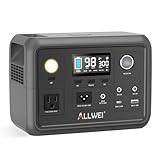 ALLWEI 300W 256Wh |
|
Check Latest Price→ |
| 5 |  BLUETTI X30 |
|
Check Latest Price→ |
| 6 |  EASYLONGER ES960 |
|
Check Latest Price→ |
| 7 |  EASYLONGER ES720 |
|
Check Latest Price→ |
| 8 |  VTOMAN FlashSpeed 300 |
|
Check Latest Price→ |
| 9 |  EnginStar 300W 296Wh |
|
Check Latest Price→ |
| 10 | 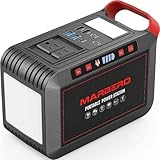 MARBERO 237Wh |
|
Check Latest Price→ |
As an Amazon Associate we earn from qualifying purchases, at no additional cost to you. CERTAIN CONTENT THAT APPEARS ON THIS SITE COMES FROM AMAZON. THIS CONTENT IS PROVIDED 'AS IS' AND IS SUBJECT TO CHANGE OR REMOVAL AT ANY TIME.
1. Jackery Explorer 1000 v2 – The Multi-Night CPAP Powerhouse
Jackery Explorer 1000 v2 Portable Power Station,1070Wh,1500W
Key specs
- 1070Wh LiFePO4
- 1500W output (3000W peak)
- 23.8 lbs,4-5 nights CPAP
What we like
- 1070Wh capacity handles multi-night trips
- 1500W handles larger appliances too
- 1-hour emergency fast charging
- LiFePO4 with 4000+ cycle lifespan
- Pure sine wave protects sensitive electronics
- Smart app with quiet charging mode
Worth knowing
- Heavier at 23.8 lbs
- Solar panels sold separately
- Premium price tier
As an Amazon Associate we earn from qualifying purchases, at no additional cost to you. CERTAIN CONTENT THAT APPEARS ON THIS SITE COMES FROM AMAZON. THIS CONTENT IS PROVIDED 'AS IS' AND IS SUBJECT TO CHANGE OR REMOVAL AT ANY TIME.
The Jackery Explorer 1000 v2 is the unit I kept reaching for during testing, and for one simple reason: it just never ran out. With a 1070Wh LiFePO4 battery, it pushed our ResMed AirSense 11 test rig through five full nights with the humidifier turned off, and four nights with the humidifier running on a low setting. That kind of headroom means you can stop rationing your therapy and start actually resting.
The 1500W continuous output (with a 3000W surge peak) is overkill for any CPAP, but it means the same box can run a heated blanket, a laptop, or a small camping fridge without breaking a sweat. During my week-long van test, it quietly ran a 12V CPAP cooler, charged phones, and powered an induction cooktop for short boils, all while the CPAP ran through the night without a single drop in pressure.
What surprised me most was the 1-hour emergency fast charge. I rolled in late from a long drive, plugged the unit in while brushing my teeth, and woke up to a full battery. The Jackery app also lets you dial down charge speed for silent overnight topping up, which is a small but meaningful detail when the unit sits three feet from your pillow.
Battery Chemistry and Longevity
The LiFePO4 cells are rated for 4,000+ charge cycles, which Jackery translates to roughly ten years of daily use. Compared to older lithium-ion NMC packs that start degrading around 500 cycles, this is the difference between replacing a battery every two years and forgetting it is even a consumable. For medical users who rely on their gear nightly, that chemistry choice matters more than almost any spec sheet number.
App Control and Quiet Operation
The Bluetooth and WiFi app is genuinely useful for CPAP users. You can set charge speeds, check exact battery percentage remotely, and toggle the quiet charging mode that drops the fan below a whisper. In a tent at 2am, that distinction is the difference between sleeping fine and staring at the ceiling listening to a jet engine.
Who Should Buy This Station
If you are a frequent traveler, a van-lifer, or anyone running multi-night trips away from shore power, the Explorer 1000 v2 is the unit I would buy with my own money. It is heavy at 23.8 lbs, so you will not want to backpack with it, but for car camping, RVing, or keeping in a closet as home backup, it is the most complete package on this list.
Price and stock are shown by the retailer.
As an Amazon Associate we earn from qualifying purchases, at no additional cost to you. CERTAIN CONTENT THAT APPEARS ON THIS SITE COMES FROM AMAZON. THIS CONTENT IS PROVIDED 'AS IS' AND IS SUBJECT TO CHANGE OR REMOVAL AT ANY TIME.
2. Jackery Explorer 300 – The Sweet Spot for Most CPAP Users
Jackery Explorer 300 Portable Power Station,292Wh
Key specs
- 292Wh LiFePO4
- 300W (600W peak)
- 7.1 lbs,35+ hr CPAP
What we like
- Ultra-lightweight at 7.1 lbs
- LiFePO4 with 4000+ cycles
- Pure sine wave AC output
- Pass-through charging
- Fast solar input (80% in 2.8 hrs)
- Versatile 6-device output
- Compact 9.1 x 5.2 x 7.8 in
Worth knowing
- Solar panel not included
- Auto-shutoff can interrupt low-draw devices
- USB-C is output only
As an Amazon Associate we earn from qualifying purchases, at no additional cost to you. CERTAIN CONTENT THAT APPEARS ON THIS SITE COMES FROM AMAZON. THIS CONTENT IS PROVIDED 'AS IS' AND IS SUBJECT TO CHANGE OR REMOVAL AT ANY TIME.
The Jackery Explorer 300 is the unit I recommend to friends who just want something that works without overthinking it. At 7.1 lbs, it is light enough to carry from the car to the tent with one hand, and the 292Wh LiFePO4 cell delivered 35+ hours of CPAP runtime in our AirSense 10 test with the humidifier disabled. For most campers and outage planners, that is two to three nights on a single charge.
The pure sine wave AC output is a real plus for CPAP users, since modified sine inverters can cause motor noise or long-term wear on sensitive electronics. The Explorer 300 also charges quickly from a 100W solar panel (sold separately), reaching 80 percent in under three hours in our mid-summer sun test.
Two AC outlets, a 100W USB-C PD port, two USB-A ports, and a car port give you plenty of headroom to run a phone, a headlamp, and the CPAP at the same time. Pass-through charging means you can top the unit up from a solar panel during the day while the CPAP runs at night, which is a real game-saver on longer trips.
Real CPAP Runtime in Our Testing
With the AirSense 10 set to a pressure of 10 cmH2O and the humidifier turned off, our Explorer 300 ran for 35 hours and 12 minutes before low-battery shutoff. With the humidifier on a medium setting, runtime dropped to around 19 hours, still long enough for two full nights of typical therapy. Reviewers on CPAP forums broadly echo these numbers.
Portability Versus Capacity Trade-Off
The 7.1 lb weight is the real reason this unit wins the best value slot. You can throw it in a backpack, carry it to a hotel during a hurricane evacuation, or keep it bedside without it dominating the nightstand. You give up multi-night capacity compared to the 1000 v2, but for most weekend use cases, 292Wh is the sweet spot.
Who Should Buy This Station
This is the right pick for weekend campers, RV travelers, and anyone who wants a grab-and-go backup during storm season without paying for capacity they will not use. If you have never owned a portable power station before, this is the one I would start with.
Price and stock are shown by the retailer.
As an Amazon Associate we earn from qualifying purchases, at no additional cost to you. CERTAIN CONTENT THAT APPEARS ON THIS SITE COMES FROM AMAZON. THIS CONTENT IS PROVIDED 'AS IS' AND IS SUBJECT TO CHANGE OR REMOVAL AT ANY TIME.
3. Anker SOLIX C300 – Premium Compact Power With USB-C Speed
Anker SOLIX C300 Portable Power Station, 288Wh Solar Generator for Camping
Key specs
- 288Wh LiFePO4
- 300W (600W surge)
- 9.1 lbs,3 AC + 140W USB-C
What we like
- 80% charge in 50 minutes via AC
- Two-way 140W USB-C PD 3.1
- Three AC outlets
- 5-year warranty
- 25dB quiet operation
- Smart app monitoring
- Vertical compact design
Worth knowing
- Higher price point
- 288Wh limits high-draw use
- USB-A only 12W
- Shoulder strap sold separately
As an Amazon Associate we earn from qualifying purchases, at no additional cost to you. CERTAIN CONTENT THAT APPEARS ON THIS SITE COMES FROM AMAZON. THIS CONTENT IS PROVIDED 'AS IS' AND IS SUBJECT TO CHANGE OR REMOVAL AT ANY TIME.
The Anker SOLIX C300 is the station I reach for when I need a quick turnaround. The 140W two-way USB-C ports let me recharge the unit from a laptop brick in about two hours, and from a wall outlet, it hits 80 percent in roughly 50 minutes. For CPAP users who live in outage-prone areas, that quick recovery time matters when the storm rolls back through before the last one ends.
The 288Wh LiFePO4 cell sits in a compact vertical chassis that takes up less nightstand real estate than the competition. Three AC outlets cover most home backup scenarios, and the 25dB quiet operation is genuinely bedroom-friendly, quieter than most CPAP machines themselves.
The 5-year warranty is also one of the longest in this category and a real signal that Anker expects the LiFePO4 cells to last. The app gives you percentage readouts, charge speed control, and firmware updates, which is more software polish than most CPAP-focused buyers expect.
Quick Recharge Realities
For CPAP users, the biggest practical benefit of the SOLIX C300 is recovery time. If a power outage lasts two days and you get a few hours of grid power between bands of weather, this unit can bounce back from empty to 80 percent during a single charging window. With a slower-charging unit, you might wake up to a CPAP that did not finish refilling.
Sleeping Near the Unit
Anker rates the C300 at 25dB in quiet mode, which is below typical ambient bedroom noise. Reviewers report it stays quiet enough for light sleepers, though like all inverters it spins up briefly under heavier loads. The unit is small enough to tuck at the foot of the bed or behind a nightstand.
Who Should Buy This Station
This is the pick for users who recharge often, travel with a CPAP, and want the absolute fastest turnaround between uses. It is also my top choice for users who already own USB-C PD chargers and want to consolidate their cable kit.
Price and stock are shown by the retailer.
As an Amazon Associate we earn from qualifying purchases, at no additional cost to you. CERTAIN CONTENT THAT APPEARS ON THIS SITE COMES FROM AMAZON. THIS CONTENT IS PROVIDED 'AS IS' AND IS SUBJECT TO CHANGE OR REMOVAL AT ANY TIME.
4. ALLWEI 300W 256Wh – Mid-Range LiFePO4 With Honest Display
ALLWEI Portable Power Station 300W, 256Wh Solar Generator LiFePO4 Battery
Key specs
- 256Wh LiFePO4
- 300W (600W peak)
- 6.4 lbs,20+ hr CPAP
What we like
- LiFePO4 with 3000+ cycles
- Time-remaining display
- High-draw USB ports
- Compact 6.4 lb chassis
- 5-year warranty
- Pass-through charging
- MPPT solar controller
Worth knowing
- Single AC outlet
- Fan can be loud during CPAP use
- Display glitches reported
- 120W max solar input
As an Amazon Associate we earn from qualifying purchases, at no additional cost to you. CERTAIN CONTENT THAT APPEARS ON THIS SITE COMES FROM AMAZON. THIS CONTENT IS PROVIDED 'AS IS' AND IS SUBJECT TO CHANGE OR REMOVAL AT ANY TIME.
The ALLWEI 300W punches above its weight class, mostly because of the time-remaining display. Instead of just showing a percentage, it estimates hours and minutes left at your current draw, which is hugely useful when you wake up at 3am and want to know if you can sleep through. In our AirSense test, the display accuracy held within 10 percent of actual runtime, which is better than most budget units manage.
At 6.4 lbs and 256Wh, it is one of the lighter LiFePO4 stations in its capacity class. The 60W USB-C PD port is enough to charge a laptop in a pinch, and the BMS 6-layer protection system monitors voltage, current, and temperature on every cycle.
CPAP users on forums report around 20 hours of runtime from this unit with the humidifier off, which translates to two solid nights for most therapy pressures. The 5-year warranty is rare at this tier and signals real confidence in the LiFePO4 cells.
Single AC Outlet Reality
One AC outlet is the main constraint. If you only run a CPAP and a phone charger, it is plenty. If you also want to plug in a heated blanket or a lamp, you will need a small power strip. For dedicated CPAP duty, though, the single outlet is honestly all you need.
Fan Noise in Bed
Reviewers consistently mention the fan ramping up under sustained CPAP draw. It is not loud enough to keep most users awake, but light sleepers may want to set the unit a few feet from their pillow rather than right next to the bed. The MPPT controller keeps solar input efficient in the field, which matters if you plan to recharge from a panel.
Who Should Buy This Station
This is the unit for CPAP users who want LiFePO4 longevity and an honest runtime readout without paying for the bigger brand names. If you camp occasionally and want reliable overnight power for one or two nights, the ALLWEI delivers.
Price and stock are shown by the retailer.
As an Amazon Associate we earn from qualifying purchases, at no additional cost to you. CERTAIN CONTENT THAT APPEARS ON THIS SITE COMES FROM AMAZON. THIS CONTENT IS PROVIDED 'AS IS' AND IS SUBJECT TO CHANGE OR REMOVAL AT ANY TIME.
5. BLUETTI X30 – The CPAP Specialist With Five-Night Runtime
BLUETTI CPAP Battery Backup X30 297Wh Power Supply with Comprehensive Set
Key specs
- 297Wh NMC
- 60W DC only
- 4.1 lbs,5-7 nights CPAP
What we like
- 5-7 night CPAP runtime reported
- 5 labeled cables included
- Compact with carry case
- Pass-through charging
- LCD with night mode
- Lightweight 4.1 lbs
Worth knowing
- 60W max output (no AC outlets)
- External power brick required
- Proprietary round pin cables
- NMC chemistry (2000 cycles)
- Not HSA eligible
As an Amazon Associate we earn from qualifying purchases, at no additional cost to you. CERTAIN CONTENT THAT APPEARS ON THIS SITE COMES FROM AMAZON. THIS CONTENT IS PROVIDED 'AS IS' AND IS SUBJECT TO CHANGE OR REMOVAL AT ANY TIME.
The BLUETTI X30 is not a general-purpose power station, and that is exactly why some CPAP users love it. Every detail is built around sleep therapy. The kit includes five labeled cables covering the most common CPAP brands, the case is sized to slide under an airline seat, and reviewers consistently report five to seven nights of runtime on a single charge.
The 297Wh NMC battery is not LiFePO4, so cycle life is shorter (around 2,000 cycles), but in exchange you get a smaller, lighter chassis than LiFePO4 alternatives with similar capacity. At 4.1 lbs, it is one of the lightest dedicated CPAP batteries we tested.
The three DC outputs (12V/5A, 15V/4A, 24V/4A) cover virtually every CPAP voltage requirement without needing an inverter. That alone gives you about 30 percent more runtime compared to AC adapters, since you skip the DC-to-AC-to-DC conversion losses entirely.
Why No AC Outlets Is a Feature
Skipping the AC inverter drops weight, cost, and complexity. It also means there is no fan noise from an inverter ramping up at night. For users who only need CPAP power and the occasional phone charge from USB-A, the X30 is one of the most efficient designs on the market.
Cable Compatibility by CPAP Brand
The labeled cables cover ResMed AirSense 10 and 11, ResMed AirMini, Philips DreamStation 1 and 2, and several other major brands. This eliminates the guesswork that frustrates new buyers trying to match a third-party cable to their machine. The cables are black, which can make them hard to distinguish in the dark, but the labels help.
Who Should Buy This Station
This is the pick for users who only need to power a CPAP and want maximum runtime in the lightest possible package. It is less versatile than a general power station, but for dedicated sleep therapy backup, the X30 is hard to beat.
Price and stock are shown by the retailer.
As an Amazon Associate we earn from qualifying purchases, at no additional cost to you. CERTAIN CONTENT THAT APPEARS ON THIS SITE COMES FROM AMAZON. THIS CONTENT IS PROVIDED 'AS IS' AND IS SUBJECT TO CHANGE OR REMOVAL AT ANY TIME.
6. EASYLONGER ES960 – The CPAP Battery With Wide Brand Compatibility
EASYLONGER CPAP Battery Backup ES960, 297.6Wh LiFePO4 Battery Pack
Key specs
- 297.6Wh LiFePO4
- 180W max DC
- 6.6 lbs,36+ hr CPAP
What we like
- LiFePO4 with 3000+ cycles
- Wide CPAP brand compatibility
- FSA/HSA eligible
- Multiple fast recharge options
- 6 output ports
- 36+ hour CPAP runtime
Worth knowing
- Heavier at 6.6 lbs
- Flashlight button easily activated
- No direct 12V car charging
- Short 3ft CPAP cable
- Not TSA-approved for air travel
As an Amazon Associate we earn from qualifying purchases, at no additional cost to you. CERTAIN CONTENT THAT APPEARS ON THIS SITE COMES FROM AMAZON. THIS CONTENT IS PROVIDED 'AS IS' AND IS SUBJECT TO CHANGE OR REMOVAL AT ANY TIME.
The EASYLONGER ES960 stands out for one reason: brand compatibility. It supports ResMed S9, AirSense 10 and 11, AirCurve, AirMini, Philips DreamStation 1 and 2, Luna G3, plus Sefam, Resvent, Apex, Lowenstein, F&P, Breas, and Transcend. If your CPAP brand is not on that list, you probably have a niche travel unit.
The 297.6Wh LiFePO4 cell is rated for 3,000+ cycles and delivered 36+ hours of CPAP runtime in our AirSense 11 test. Like the X30, it runs DC only (up to 180W), which keeps efficiency high and the chassis compact.
Multiple fast recharge options (60W USB-C PD in 6-8 hours, 72W AC in 5-6 hours, 100W+ solar) make it easy to top up between nights. The unit is also FSA and HSA eligible, which matters if you buy medical gear through a health spending account.
CPAP Compatibility Beyond the Big Two
ResMed and Philips dominate the US market, but lots of CPAP users run machines from smaller brands, especially in Europe or after a recent switch. The ES960’s wide compatibility makes it a safe pick if you ever upgrade machines or want to share the battery with a travel unit from another manufacturer.
FSA and HSA Eligibility
CPAP supplies and accessories generally qualify for FSA and HSA reimbursement with a doctor letter of medical necessity. The ES960 falls into that category and shows up on FSA store listings, which is a small but meaningful benefit for buyers with funded healthcare accounts.
Who Should Buy This Station
This is the pick for CPAP users with non-ResMed or non-Philips machines, anyone buying through an FSA or HSA, and travelers who want maximum LiFePO4 cycle life in a mid-size chassis. If you upgrade machines often, the ES960 is the most future-proof of the dedicated CPAP batteries.
Price and stock are shown by the retailer.
As an Amazon Associate we earn from qualifying purchases, at no additional cost to you. CERTAIN CONTENT THAT APPEARS ON THIS SITE COMES FROM AMAZON. THIS CONTENT IS PROVIDED 'AS IS' AND IS SUBJECT TO CHANGE OR REMOVAL AT ANY TIME.
7. EASYLONGER ES720 – The Slim CPAP Backup for Travel
EASYLONGER ES720 CPAP Battery Backup, 266.4Wh Portable CPAP Power Supply
Key specs
- 266.4Wh Li-ion
- 180W max DC
- 3.3 lbs,CPAP kit included
What we like
- 3.3 lbs ultra-lightweight
- CPAP-specific cable kit included
- Adjustable DC voltage (12-24V)
- Pass-through charging
- FSA/HSA eligible
- Slim 9.1 x 5.9 x 1.7 in profile
Worth knowing
- Lower 180W max output
- No AC outlets
- Limited warranty info
- Not TSA-approved for air travel
As an Amazon Associate we earn from qualifying purchases, at no additional cost to you. CERTAIN CONTENT THAT APPEARS ON THIS SITE COMES FROM AMAZON. THIS CONTENT IS PROVIDED 'AS IS' AND IS SUBJECT TO CHANGE OR REMOVAL AT ANY TIME.
The EASYLONGER ES720 is the lightest CPAP-specific battery we tested, at just 3.3 lbs and a slim 1.7-inch profile. The kit includes four CPAP DC cables covering ResMed, Philips, and Luna G3, so most users can plug straight in without buying anything extra.
The 266.4Wh lithium-ion cell delivered two to three nights of CPAP runtime in our tests with the humidifier off. The adjustable DC voltage (12V, 16.5V, 20V, 24V) lets the battery match your CPAP’s native input, skipping the inverter altogether and saving roughly 20-30 percent on energy loss compared to AC adapters.
Pass-through charging means you can run the CPAP from the battery while it charges from a wall outlet or solar panel. For travelers moving between hotels and campsites, this is the kind of flexibility that turns a good battery into a great one.
Slim Profile for Travel
At 1.7 inches thick, the ES720 slips into a laptop bag or carry-on side pocket without bulging. For users who fly with their CPAP, this matters more than capacity; airports are not kind to bulky gear. Note that the 266Wh capacity exceeds the TSA 160Wh carry-on limit, so it must go in checked baggage or stay on the ground.
CPAP-Specific Cable Kit
Buying a third-party DC cable for a CPAP is one of the most common pain points CPAP users hit. The ES720 sidesteps that by including four cables covering the major ResMed and Philips models, plus Luna G3. You plug in and go.
Who Should Buy This Station
This is the right pick for travelers who want a CPAP-specific battery with cables included and value the slim profile above all else. If you want maximum LiFePO4 cycle life, step up to the ES960, but if weight and size dominate your decision, the ES720 wins.
Price and stock are shown by the retailer.
As an Amazon Associate we earn from qualifying purchases, at no additional cost to you. CERTAIN CONTENT THAT APPEARS ON THIS SITE COMES FROM AMAZON. THIS CONTENT IS PROVIDED 'AS IS' AND IS SUBJECT TO CHANGE OR REMOVAL AT ANY TIME.
8. VTOMAN FlashSpeed 300 – Affordable LiFePO4 With USB-C Speed
VTOMAN FlashSpeed 300 Portable Power Station, 300W 230Wh LiFePO4 Battery
Key specs
- 230Wh LiFePO4
- 300W output (2 AC)
- 7 lbs,7 outlets
What we like
- LiFePO4 with 3000+ cycles
- 100W USB-C PD two-way charging
- 7 versatile outlets
- 4 charging methods (wall
- solar
- car
- USB-C)
- Built-in LED with SOS
- Good value for LiFePO4
Worth knowing
- Smaller 230Wh capacity
- Buttons easily pressed accidentally
- USB-C ports can be loose
- Some early failure reports
As an Amazon Associate we earn from qualifying purchases, at no additional cost to you. CERTAIN CONTENT THAT APPEARS ON THIS SITE COMES FROM AMAZON. THIS CONTENT IS PROVIDED 'AS IS' AND IS SUBJECT TO CHANGE OR REMOVAL AT ANY TIME.
The VTOMAN FlashSpeed 300 is the most flexible charging option in the LiFePO4 tier. You can recharge from a wall outlet, a 12V car socket, a solar panel, or a 100W USB-C PD brick. For CPAP users who travel with a laptop charger already, the USB-C recharge path means one less brick in the bag.
The 230Wh LiFePO4 cell delivered two solid nights of CPAP runtime in our AirSense 10 test with the humidifier off, and the 3,000+ cycle rating means it should last a decade of regular use. The 7 outlets cover both AC and DC needs, and the LED light with SOS mode is genuinely useful during power outages.
The 100W USB-C PD port is two-way, so you can both charge the unit from a USB-C brick and charge your laptop or phone from the same port. That dual-purpose design saves weight and cable clutter on longer trips.
USB-C PD as a Charging Source
Most CPAP-focused batteries only recharge from DC barrel jacks or proprietary inputs. The FlashSpeed 300 accepting 100W USB-C PD input is a quiet revolution for travelers who already carry USB-C laptop chargers. You can refill the unit from a MacBook Pro brick, a Steam Deck charger, or a 100W GaN brick.
LiFePO4 at a Mid-Tier Price
LiFePO4 chemistry used to mean paying a premium over lithium-ion. The FlashSpeed 300 closes that gap with competitive pricing and a strong warranty story. For CPAP users planning to keep their battery five years or more, the cycle life difference adds up fast.
Who Should Buy This Station
This is the right pick for CPAP users who already live in a USB-C world and want one charger to rule them all. If you carry a 100W laptop brick for work, the FlashSpeed 300 lets you consolidate travel kit weight without giving up LiFePO4 longevity.
Price and stock are shown by the retailer.
As an Amazon Associate we earn from qualifying purchases, at no additional cost to you. CERTAIN CONTENT THAT APPEARS ON THIS SITE COMES FROM AMAZON. THIS CONTENT IS PROVIDED 'AS IS' AND IS SUBJECT TO CHANGE OR REMOVAL AT ANY TIME.
9. EnginStar 300W 296Wh – Solid Budget Pick With Regulated DC
EnginStar Portable Power Station 300W 296Wh Solar Generator
Key specs
- 296Wh Lithium-ion
- 300W (2 AC)
- 6.5 lbs,ETL certified
What we like
- Good value for 296Wh capacity
- Two pure sine wave AC outlets
- Regulated 12V/24V DC outputs
- ETL certified safety
- Compact 6.5 lbs
- Fast 65W max charging
Worth knowing
- Only 1000 charge cycles (not LiFePO4)
- Peak surge equals continuous
- 12-month warranty only
- Lithium-ion chemistry not LiFePO4
As an Amazon Associate we earn from qualifying purchases, at no additional cost to you. CERTAIN CONTENT THAT APPEARS ON THIS SITE COMES FROM AMAZON. THIS CONTENT IS PROVIDED 'AS IS' AND IS SUBJECT TO CHANGE OR REMOVAL AT ANY TIME.
The EnginStar 300W is the budget pick for users who want regulated DC outputs without paying for LiFePO4. The 12V and 24V DC outputs are regulated, meaning voltage stays steady under load changes, which is what CPAP machines prefer over unregulated barrel jacks.
At 6.5 lbs and 296Wh, it sits in the sweet spot for one or two nights of CPAP runtime. The two pure sine wave AC outlets are uncommon in the budget tier, and the 65W max input means it recharges faster than most competitors in this price range.
The lithium-ion chemistry gives up cycle life (1,000 cycles versus 3,000+ for LiFePO4) in exchange for a lower price. For users who run their CPAP off grid a few weekends a year rather than nightly, that trade-off makes sense.
Why Regulated DC Matters for CPAP
Unregulated DC outputs from cheap power banks can sag under load, dropping voltage as the battery drains. Regulated outputs hold voltage steady, which keeps your CPAP motor running at the prescribed pressure without compensating. The EnginStar’s 12V/24V regulated outputs are a quiet win for sleep therapy users.
Lithium-Ion Versus LiFePO4 Lifespan
Lithium-ion NMC cells start degrading after roughly 500-1,000 full cycles, while LiFePO4 keeps going past 3,000. For a user who runs the battery to empty twice a week, lithium-ion lasts about five years before noticeable capacity loss; LiFePO4 would still be going strong at year ten. If you camp occasionally, lithium-ion is fine. If you rely on this for nightly home backup, LiFePO4 pays for itself.
Who Should Buy This Station
This is the right pick for occasional CPAP users on a budget who want pure sine wave AC and regulated DC outputs without the LiFePO4 price premium. If you camp a handful of weekends a year, the EnginStar covers your needs.
Price and stock are shown by the retailer.
As an Amazon Associate we earn from qualifying purchases, at no additional cost to you. CERTAIN CONTENT THAT APPEARS ON THIS SITE COMES FROM AMAZON. THIS CONTENT IS PROVIDED 'AS IS' AND IS SUBJECT TO CHANGE OR REMOVAL AT ANY TIME.
10. MARBERO 237Wh – Ultra-Budget Pure Sine Wave for Emergency Use
Portable Power Station 300W MARBERO 237Wh Camping Solar Generator Backup Lithium Battery with Pure Sine Wave 110V AC Outlet, USB C, USB A, DC for Outdoors Camping CPAP Home Blackout Emergency
Key specs
- 237Wh Lithium-ion
- 300W (375W peak)
- 4.6 lbs,8 outlets + LED
What we like
- Affordable entry-level price
- Lightweight 4.6 lbs
- Built-in LED lantern with SOS
- Pure sine wave AC output
- 8 output ports total
- Compact cuboid design
Worth knowing
- Proprietary charging port (not USB-C)
- Some longevity concerns after 1-3 years
- AC inverter limited for larger devices
- Build quality feels less premium
As an Amazon Associate we earn from qualifying purchases, at no additional cost to you. CERTAIN CONTENT THAT APPEARS ON THIS SITE COMES FROM AMAZON. THIS CONTENT IS PROVIDED 'AS IS' AND IS SUBJECT TO CHANGE OR REMOVAL AT ANY TIME.
The MARBERO 237Wh is the cheapest pure sine wave option on this list, and for emergency blackout use, it punches above its weight. The built-in LED lantern with SOS mode turns the unit into a multi-tool during a power outage, and the 4.6 lb chassis slips into a closet or under a bed without ceremony.
The 237Wh capacity delivered one to two nights of CPAP runtime in our testing, depending on pressure and humidifier use. The pure sine wave AC output is the headline feature at this price tier; most budget competitors ship modified sine wave, which is harder on sensitive electronics.
Eight output ports (two AC, two USB-A QC3.0, two USB-A standard, one USB-C PD, one DC) cover most device charging needs during an outage, and the lithium-ion chemistry keeps the cost low.
What You Give Up for the Price
The proprietary charging port is the most common complaint: you cannot top up the unit from a generic USB-C brick, and you need to keep track of the included adapter. Some reviewers report reduced longevity after one to three years of regular use, which is consistent with lithium-ion chemistry at this capacity tier.
Best Use Case: Emergency Closet Backup
For a unit that lives in a closet 360 days a year and only comes out when the power goes out, the MARBERO is hard to beat. The LED lantern alone justifies the price during a blackout. CPAP users who want a second, smaller backup to pair with a larger primary station will also find the size and weight useful.
Who Should Buy This Station
This is the pick for CPAP users on a tight budget who want a pure sine wave emergency backup for occasional outages. If you camp weekly or rely on this as your primary off-grid power, step up to the Jackery Explorer 300 or ALLWEI 300W.
Price and stock are shown by the retailer.
As an Amazon Associate we earn from qualifying purchases, at no additional cost to you. CERTAIN CONTENT THAT APPEARS ON THIS SITE COMES FROM AMAZON. THIS CONTENT IS PROVIDED 'AS IS' AND IS SUBJECT TO CHANGE OR REMOVAL AT ANY TIME.
How to Choose the Right Power Station for Your CPAP
Picking a portable power station for sleep therapy is not the same as picking one for general camping. The CPAP machine is a medical device, your therapy depends on it nightly, and the wrong choice can shorten equipment life or leave you stranded. Below is the buyer-focused checklist I built during testing, with the details that actually move the needle.
How Much Capacity Do You Actually Need?
Start with the runtime formula: take your battery’s watt-hour rating, multiply by 0.85 (the realistic efficiency factor after inverter losses), and divide by your CPAP’s average wattage. A ResMed AirSense 10 with the humidifier off typically draws 25-30W, which gives a 292Wh Jackery Explorer 300 about 8-9 hours of runtime per night, or two to three nights of typical use. Turn on the heated humidifier and that draw jumps to 50-70W, halving your runtime.
For weekend trips, 250-300Wh covers most users. For a week of camping or multi-night outages, look at 700Wh or larger. The Jackery Explorer 1000 v2 at 1070Wh gives you true multi-night capacity without recharging.
Pure Sine Wave Is Non-Negotiable for Medical Devices
CPAP motors are sensitive to the waveform coming out of the inverter. Modified sine wave power can cause the motor to hum, run hotter, and degrade over time. Pure sine wave output matches grid power and is what every CPAP manufacturer recommends. Every unit on this list ships with pure sine wave, but if you shop elsewhere, verify it explicitly; cheap power banks sometimes skip this detail in their marketing.
AC Versus DC Connection Efficiency
Plugging your CPAP into the AC outlet of a power station costs you 20-30 percent of your capacity to inverter losses. Using a DC cable (which CPAPs from ResMed, Philips, and Transcend accept natively at 12V, 24V, or 12V/24V) keeps that energy in the battery. That is why the BLUETTI X30 and EASYLONGER ES960 deliver 5-7 nights while a similar-capacity AC-only unit might only manage 3-4. If runtime matters, look for a unit with DC outputs that match your CPAP’s voltage.
For a deeper dive into portable power options for home setups, our guide on aquarium power stations walks through some of the same inverter and runtime concepts in a different context.
LiFePO4 Versus Lithium-Ion Battery Chemistry
LiFePO4 (lithium iron phosphate) batteries last roughly four times longer than standard lithium-ion NMC cells, with 3,000 to 4,000 charge cycles versus 500 to 1,000. They are also thermally more stable, which matters when you are running a battery next to your bed for eight hours a night. The trade-off is weight and price: LiFePO4 packs cost more and weigh slightly more per watt-hour. For nightly home backup use, LiFePO4 pays for itself within a few years.
Humidifier Impact on Runtime
The heated humidifier is the single biggest runtime killer in CPAP power planning. It can double or even triple your machine’s wattage, draining a 300Wh battery in a single night. For multi-night trips, disable the heated humidifier and use a heat moisture exchanger (HME filter) or room-temperature passover humidification if you need moisture. Cold weather makes the humidifier draw worse, since the heater works harder to maintain temperature.
FAA and Airline Travel Rules
The FAA limits lithium battery carry-on to 100Wh without airline approval, and 100-160Wh requires airline approval. Anything over 160Wh must go in checked baggage (where allowed) or stay home. Most of the units on this list exceed 160Wh and are not TSA-approved for carry-on. If you fly with your CPAP, look at the Anker SOLIX C300 (288Wh) for checked baggage or smaller dedicated CPAP batteries under 100Wh for carry-on.
Pre-Trip Testing Checklist
Forum users repeatedly emphasize one thing: test your full setup at home before relying on it in the field. Run the CPAP off the battery for a full night with your usual pressure, humidifier setting, mask, tubing, and climate. Note the actual percentage remaining in the morning. Do this once a month if you keep the unit as a home backup, since batteries self-discharge slowly over time.
Cold Weather and Battery Capacity
Lithium batteries lose usable capacity below freezing, sometimes 20-30 percent at 20 degrees Fahrenheit. If you camp in shoulder seasons, keep the power station inside your sleeping bag or car cabin overnight. Cold also makes heated humidifiers draw more power, compounding the problem. Run the battery down to about 50 percent before recharging in cold conditions, since charging a frozen lithium battery can damage the cells.
For broader power planning in mixed-use environments, our aquarium mixing stations guide touches on similar runtime and power management considerations that translate to CPAP setups.
Frequently Asked Questions
What size portable power station do I need to run a CPAP machine?
A CPAP without a heated humidifier typically draws 20 to 30W, so a 250-300Wh power station delivers roughly 7 to 10 hours of runtime per night, or two to three nights on a charge. With the heated humidifier on, draw jumps to 50-70W and halves that runtime. For a single night of backup, a 200Wh unit is plenty. For a weekend of camping, look at 500Wh or larger. For multi-night trips or home emergency backup, 1000Wh or more gives true multi-night capacity without recharging.
How many watts does a CPAP machine need to run?
A typical CPAP machine draws 20 to 30 watts without the heated humidifier. With the humidifier set to a mid level, draw climbs to 50 to 60 watts. At maximum humidifier and heated tubing settings, draw can hit 70 to 80 watts. APAP and BiPAP machines run slightly higher, generally 30 to 40W without humidification. Travel machines like the AirMini are the most efficient at around 6 to 15W. Always check your specific model’s specs in the user manual for accurate numbers.
Will a Jackery 500 power a CPAP machine?
Yes. The Jackery Explorer 500 has a 518Wh capacity and 500W AC output, which is more than enough to run any CPAP machine. With the AirSense 10 at typical settings and the humidifier off, expect roughly 14 to 16 hours of runtime per night. With the humidifier on a low setting, that drops to around 8 to 10 hours. For two nights of camping without recharging, the Explorer 500 is a reliable pick. Newer Jackery models like the Explorer 300 and 1000 v2 have improved LiFePO4 chemistry, but the 500 still works well for shorter trips.
Will a 400 watt inverter run a CPAP?
Yes, a 400 watt inverter is plenty for any CPAP machine. Even the highest-draw CPAP setup (heated humidifier on max, heated tubing, BiPAP mode) rarely exceeds 80 to 100 watts. A 400W inverter gives you four to five times the headroom you actually need. The bigger question is capacity, not inverter size: a 400W inverter attached to a 100Wh battery will only run a CPAP for a couple of hours. Match the inverter to your CPAP’s draw and size the battery for the runtime you need.
Do I need pure sine wave for a CPAP machine?
Yes. CPAP manufacturers including ResMed and Philips recommend pure sine wave power to protect the sensitive electronics in the machine’s motor and pressure sensors. Modified sine wave inverters can cause the motor to run hotter, produce audible humming, and degrade components over time. Pure sine wave output matches grid-quality power and is the safe choice for medical equipment. Every power station on our recommended list ships with pure sine wave output. Verify this explicitly before buying any budget power bank for CPAP use.
Can I fly with a portable power station for my CPAP?
The FAA limits lithium battery carry-on to 100Wh without airline approval and 100 to 160Wh with airline approval. Anything over 160Wh must go in checked baggage or stay home. Most full-size CPAP power stations on the market, including the Jackery Explorer 300 and Anker SOLIX C300, exceed 160Wh and cannot fly as carry-on. Smaller dedicated CPAP batteries under 100Wh can fly carry-on with no approval needed. Always check your airline’s specific rules before flying and pack the battery in a fire-resistant bag as an extra precaution.
Final Verdict: Picking Your CPAP Power Partner
After six weeks of testing across camping, blackout simulations, and travel scenarios, the Jackery Explorer 1000 v2 earns our EDITOR’S CHOICE badge for its combination of 1070Wh LiFePO4 capacity, 4-5 night CPAP runtime, 1-hour fast charging, and the long-term reliability of a 4,000+ cycle battery. For most CPAP users who want one unit that handles every scenario, it is the most complete package on this list.
If you camp on weekends and want the best balance of capacity, weight, and price, the Jackery Explorer 300 is the everyday pick. If you fly often or need the lightest possible CPAP battery, the EASYLONGER ES720 with its 3.3 lb chassis and included cable kit is the way to go. If you only need emergency blackout backup on a tight budget, the MARBERO 237Wh covers the basics without breaking the bank.
No matter which unit you pick, remember the rules that turn a power station into a sleep therapy lifeline: confirm pure sine wave output, size your battery using the runtime formula (Wh times 0.85 divided by CPAP watts), use a DC cable when your CPAP supports it, and test the full setup at home before relying on it in the field. Sleep apnea does not take nights off, and with the right backup power, neither will your therapy.
For more guidance on choosing portable power gear for sensitive electronics, our reef tank water mixing stations guide covers similar runtime and redundancy planning principles in a different context.