
Most boats go damp for one boring reason: they are small, sealed boxes full of soft surfaces, and they sit closed for weeks at a time. Choosing the best dehumidifiers for boats is less about finding a big tank and more about matching the right product class to how much power the boat actually has and how cold it gets where the boat is stored. A household compressor unit that works fine in a Florida house is a poor fit in a Pacific Northwest sailboat locker in February.
I have spent years working through this category with owners rather than spec sheets, and the pattern is consistent: the products that get forgotten on a wet cockpit bench are the ones doing their job quietly. My evaluation here weights the power source first, then the cold-weather floor of the technology, then what happens to the collected water, and only then the headline output number. All ten products below are units that appear in the same conversation as real boat storage, not a general appliance list padded with basement machines.
Three product classes sit under the single word dehumidifier, and confusing them is the most expensive mistake a boat owner can make. A true dehumidifier collects water into a tank or a hose. A convection air dryer has no tank at all and simply keeps air temperature just above the dew point so nothing condenses on cold hull surfaces. A passive absorber soaks moisture out of the air chemically and needs no power. The EPA’s own guidance puts the clock on mould development at 24 to 48 hours on damp materials, so the unit you pick is less about perfect humidity and more about keeping surfaces dry between visits.
Contents Table of Contents →
- 1Our Top 3 Dehumidifiers for Boats in 2026
- 2Picked for freshwater, planted, brackish and reef tanks
- 3Better Boat Hanging Absorber Bags
- 4Davis Air-Dryr 1000
- 5SEEKR Stor-Dry 9406
- 6Comparing the Best Dehumidifiers for Boats in 2026
- 7Better Boat 4 Pack Hanging Absorber Bags
- 8Davis Instruments Air-Dryr 1000
- 9SEEKR by Caframo Stor-Dry 9406
- 10Ironwood Pacific Drywave 1000
- 11STAR BRITE No Damp
- 12briidea Air Dryer
- 13Emily’s Choice Ocean Breeze 10 Pack
- 14Dampp-Chaser Damp Defender 24 Inch
- 15Camco Refillable Absorber 44280
- 16Eva-Dry EDV-1100
- 17How We Evaluated Marine Dehumidifiers
- 181. Better Boat Hanging Moisture Absorber Bags – Best Overall for Boats With No Power
- 194 Pack Moisture Absorber Hanging Bags, Boat Dehumidifier with Charcoal
- 20Key specs
- 21What we like
- 22Worth knowing
- 23What the Charcoal Layer Actually Does
- 24Sizing: Which Compartments They Actually Cover
- 25When This Beats Everything Else
- 262. Davis Instruments Air-Dryr 1000 – Best for a Powered Main Cabin
- 27Davis Instruments Air-Dryr 1000 Dryer
- 28Key specs
- 29What we like
- 30Worth knowing
- 31Why 1000 Square Feet Is the Wrong Number to Trust
- 32No Tank, No Refills, No Drain Routing
- 33Marine Durability and Noise
- 343. SEEKR by Caframo Stor-Dry 9406 – Best for Large Enclosed Spaces
- 35SEEKR by Caframo Stor-Dry 9406 110V Warm Air Circulator & Dehumidifier – 75W
- 36Key specs
- 37What we like
- 38Worth knowing
- 39Aluminium Construction in a Salt Environment
- 40The Missing On/Off Switch
- 41Where It Falls Short
- 424. Ironwood Pacific Drywave 1000 – Best for Small Cabins on a Budget
- 43Ironwood Pacific Drywave 1000 Air Dryer
- 44Key specs
- 45What we like
- 46Worth knowing
- 47Convection Versus Forced Air
- 48Coverage and Placement
- 49One Practical Limitation to Plan Around
- 505. STAR BRITE No Damp – Best for Heads and Small Lockers
- 51STAR BRITE No Damp Moisture Absorber & Dehumidifier – Simple, Portable, Humidity Control for Boats, RVs, Seasonal Homes & More – Prevent Musty Odor & Moisture Damage
- 52Key specs
- 53What we like
- 54Worth knowing
- 55Sizing to the Compartment
- 56Emptying Without Spilling
- 57When a Passive Absorber Is Genuinely the Right Answer
- 586. briidea Air Dryer – Best for a Unit You Can Bolt Down
- 59briidea Air Dryer Made by Durable Material, Suitable for Ships, RVs, Storage Rooms
- 60Key specs
- 61What we like
- 62Worth knowing
- 63Why Metal Changes the Marine Equation
- 64The Published Size Is Wrong
- 65Where It Sits Against the Other Convection Dryers
- 667. Emily’s Choice Ocean Breeze 10 Pack – Best for Covering Many Small Spaces at Once
- 67Emily’s Choice Ocean Breeze Hanging Moisture Absorber 9.8oz (10 Pack) – Eliminates Musty Odors for Fresher,Ideal for Closet, RV, Boat,Large 16oz / 500ml Catch Basin/Comparable to Damp Rid
- 68Key specs
- 69What we like
- 70Worth knowing
- 71Calculating How Many Bags a Boat Needs
- 72Fragrance Versus Fragrance Free
- 73Absorption Rate Against the Electric Options
- 748. Dampp-Chaser Damp Defender 24 Inch – Best for the Lowest Power Draw
- 75Damp Defender by Dampp-Chaser (24 Inches, White) – Compact Dehumidifier for Humidity Control in Closets, Bathrooms, Kitchens, RVs, and Boats
- 76Key specs
- 77What we like
- 78Worth knowing
- 79Reading the 128 Cubic Feet Figure
- 80Battery Bank Arithmetic
- 81Installation and Warranty
- 829. Camco Refillable Moisture Absorber 44280 – Best Refillable Passive Absorber
- 83Camco Dehumidifier Moisture Absorber – Absorbs Up to 3x Its Weight in Water, Reduces Moisture and Humidity in Offices, Closets, Bathrooms, Kitchens, Boats, RVs and More – Refillable (44280)
- 84Key specs
- 85What we like
- 86Worth knowing
- 87Refill Versus Replace Economics on a Boat
- 88What the Three Times Weight Claim Does Not Tell You
- 89Fragrance and the Smell Question
- 9010. Eva-Dry EDV-1100 – Best for an RV or a Small Powered Locker
- 91Eva-Dry EDV-1100 Whisper-quiet 16 OZ Dehumidifier with Auto Shut Off and Restart for small spaces in your Home, RV, Automobile, and Storage up to 122 sq. ft
- 92Key specs
- 93What we like
- 94Worth knowing
- 95Why the Tank Matters More Than the Tank Size
- 96The 50F Floor and the Cold Storage Reality
- 97The Adapter Question
- 98What Owners Report About Eva-Dry on a Boat
- 99Boat Dehumidifier Buying Guide: Seven Decisions That Matter
- 1001. Start With the Power You Actually Have
- 1012. Count Compartments, Not Cubic Feet
- 1023. Decide Where the Water Goes Before You Buy
- 1034. Check the Cold-Weather Floor Against Your Climate
- 1045. Match Power Draw to Where the Electricity Comes From
- 1056. Check the Class Before the Capacity Number
- 1067. Safety: Engine Spaces, Ignition Protection and Vents
- 107Frequently Asked Questions
- 108What is the best dehumidifier for a boat?
- 109Is it safe to use a dehumidifier on a boat?
- 110Where do I put a dehumidifier on a boat?
- 111Do boat dehumidifiers work in cold weather?
- 112How many dehumidifiers does a boat need?
- 113Is a dehumidifier or an air dryer better for a boat?
- 114The Bottom Line by Boat Situation
Our Top 3 Dehumidifiers for Boats in 2026
We shortlisted ten units and pulled three forward for readers who want a fast decision. Each of the three is quiet, has no tank to empty, and can be left running unattended without anyone thinking about it.
Picked for freshwater, planted, brackish and reef tanks
Notes from a working fishroom, written by people who still do the water changes.

Better Boat Hanging Absorber Bags
- 4 pack of 8 fl oz bags
- Activated charcoal odor control
- Hangs anywhere
- no power

Davis Air-Dryr 1000
Fishroom pick
- Covers 1000 square feet
- No moving parts
- no tank
- Thermal cut-off

SEEKR Stor-Dry 9406
- 70 watts on 110V
- 1000 cubic feet per hour
- Aluminium marine housing
As an Amazon Associate we earn from qualifying purchases. CERTAIN CONTENT THAT APPEARS ON THIS SITE COMES FROM AMAZON. THIS CONTENT IS PROVIDED 'AS IS' AND IS SUBJECT TO CHANGE OR REMOVAL AT ANY TIME.
Comparing the Best Dehumidifiers for Boats in 2026
The table below is the whole shortlist at a glance. Read the power column first, because that single fact eliminates more wrong purchases than any other line here.
Freshwater, planted, brackish and reef gear, one row each.
| # | Product | Notes | Where to buy |
|---|---|---|---|
| 1 | Better Boat 4 Pack Hanging Absorber Bags |
|
Check Latest Price→ |
| 2 | Davis Instruments Air-Dryr 1000 |
|
Check Latest Price→ |
| 3 | SEEKR by Caframo Stor-Dry 9406 |
|
Check Latest Price→ |
| 4 |  Ironwood Pacific Drywave 1000 |
|
Check Latest Price→ |
| 5 |  STAR BRITE No Damp |
|
Check Latest Price→ |
| 6 |  briidea Air Dryer |
|
Check Latest Price→ |
| 7 |  Emily’s Choice Ocean Breeze 10 Pack |
|
Check Latest Price→ |
| 8 | 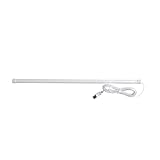 Dampp-Chaser Damp Defender 24 Inch |
|
Check Latest Price→ |
| 9 | 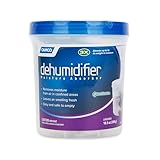 Camco Refillable Absorber 44280 |
|
Check Latest Price→ |
| 10 |  Eva-Dry EDV-1100 |
|
Check Latest Price→ |
As an Amazon Associate we earn from qualifying purchases, at no additional cost to you. CERTAIN CONTENT THAT APPEARS ON THIS SITE COMES FROM AMAZON. THIS CONTENT IS PROVIDED 'AS IS' AND IS SUBJECT TO CHANGE OR REMOVAL AT ANY TIME.
How We Evaluated Marine Dehumidifiers
We scored every product on five axes, weighted for the realities of a boat rather than for a showroom. Power source fit carried the heaviest weight at 30%, because a unit that cannot run where the boat is stored is worthless no matter what else it does.
Cold-weather floor took 25%. A compressor unit that stops pulling water near the low forties fails in exactly the climates that need it most, while desiccant and convection approaches keep going. The remaining 45% was split across water handling, stowability, and marine build quality, with salt air and vibration weighed heavily in that last one. We gave headline capacity claims almost no weight at all, because a household pints-per-day figure is measured in a laboratory at 86F and 80% relative humidity, not in a 20 cubic foot locker next to a cold hull.
1. Better Boat Hanging Moisture Absorber Bags – Best Overall for Boats With No Power
4 Pack Moisture Absorber Hanging Bags, Boat Dehumidifier with Charcoal
Key specs
- 4 pack of 8 fl oz bags
- Activated charcoal, unscented
- 6 x 6 x 1 in each, 2 lb total
What we like
- Works with zero power
- ideal for moored or trailer-stored boats
- Charcoal absorbs musty odor rather than masking it
- Unscented so it suits a sleeping cabin
- Hangs from any hook or locker lid
- Highest review volume of any passive option here
Worth knowing
- Passive capacity is far below any electric unit
- Must be replaced once saturated
- Best in small enclosed spaces
- not a main cabin
As an Amazon Associate we earn from qualifying purchases, at no additional cost to you. CERTAIN CONTENT THAT APPEARS ON THIS SITE COMES FROM AMAZON. THIS CONTENT IS PROVIDED 'AS IS' AND IS SUBJECT TO CHANGE OR REMOVAL AT ANY TIME.
These are the bags I keep a dozen of in the locker because they solve the problem nobody else can: a boat with no power at all. A four pack of hanging bags does nothing clever, and that is the entire point. You hang one in a hanging locker, one in a sail locker, one behind the electronics and one in the head, and moisture migrates into the pellets while the charcoal takes the smell out of the air. Reviewers consistently rate them as the simplest thing that actually works for the closed spaces on a sailboat.
What I like is the absence of moving parts and the absence of water. There is no reservoir to tip, no cord to route and no tank that fills in the middle of a storm. Each bag holds 8 fluid ounces and the set weighs 2 pounds in total, so one bag costs almost nothing in weight even high in a mast locker.
What the Charcoal Layer Actually Does
The bag pairs moisture absorbing pellets with activated charcoal, and the two jobs are different. The pellets pull water out of the air, while the charcoal adsorbs the volatile compounds that make a closed boat smell musty. That distinction matters because a fragrance product covers the smell temporarily while leaving the moisture that caused it in place.
These bags are unscented, which is the right call for a cabin you sleep in. Several reviewers describe hanging one above a bunk on a long trip specifically because there is no perfume to fight at 0400.
Sizing: Which Compartments They Actually Cover
Treat each bag as covering a small enclosed volume, not a cabin. Owners use them in hanging lockers, electronics lockers, drawers, bilge areas under a deck and the head. The four pack is a sensible way to cover the four spots a 30 to 40 foot cruiser owner visits most often.
They are not the answer for a main saloon. In a space that size the bags saturate in days and you end up climbing ladders to swap them, which is the exact chore you were trying to avoid.
When This Beats Everything Else
Choose these over an electric unit when the boat sits on a mooring, in a trailer, or in a dry storage shed with no outlet. A unit that needs a cord cannot help you there, and a battery bank in a boat that is not being monitored is a poor substitute for four hours of unattended run time.
The trade is honest: you are buying months of quiet protection rather than continuous control. For a boat that is visited monthly over a winter, that is usually the correct trade.
Price and stock are shown by the retailer.
As an Amazon Associate we earn from qualifying purchases, at no additional cost to you. CERTAIN CONTENT THAT APPEARS ON THIS SITE COMES FROM AMAZON. THIS CONTENT IS PROVIDED 'AS IS' AND IS SUBJECT TO CHANGE OR REMOVAL AT ANY TIME.
2. Davis Instruments Air-Dryr 1000 – Best for a Powered Main Cabin
Davis Instruments Air-Dryr 1000 Dryer
Key specs
- 1000 square foot coverage
- 2.2 lb, no moving parts
- Thermal cut-off, 24 hour safe
What we like
- Effectively inaudible from a bunk or helm
- No moving parts to corrode or seize
- No tank and no water to empty
- Very low current draw on shore power
- Long service life in salt air
Worth knowing
- Removes less total moisture than a compressor unit
- Footprint is larger than its output suggests
- Not a heater
- will not warm a cold cabin
As an Amazon Associate we earn from qualifying purchases, at no additional cost to you. CERTAIN CONTENT THAT APPEARS ON THIS SITE COMES FROM AMAZON. THIS CONTENT IS PROVIDED 'AS IS' AND IS SUBJECT TO CHANGE OR REMOVAL AT ANY TIME.
The Davis Air-Dryr 1000 is the unit I recommend most often for a docked cruiser with shore power, and the reason is that it never needs attention. It draws very little current, has no fan, no compressor and no reservoir, and it is listed as safe for marine use with an overheat protection feature. You plug it in, close the boat up and check the humidity gauge a month later.
Reviewers describe it as audible only when you stand directly next to it, which matters when it is running in the cabin of a liveaboard. It is also the kind of device you can leave running through an unattended storm season without thinking about it, which removes the single biggest objection to putting any electric device on a boat.
Why 1000 Square Feet Is the Wrong Number to Trust
The stated 1000 square foot coverage assumes an open space with normal air movement. A boat cabin is not that. Hatches sealed, a companionway dogged and a deck above means the working volume is a fraction of the floor area, and cold hull surfaces stay cold long after the air has warmed.
Owners still report good results, because the device’s job is not to lower relative humidity dramatically. Its job is to keep surfaces above the dew point, and the smaller the compartment, the faster it gets there.
No Tank, No Refills, No Drain Routing
This is where the air dryer category earns its place. Because nothing is collected, there is no drain line to route, no reservoir to empty and no question about where the water goes once it is collected. That removes the single most common installation complaint we hear about onboard dehumidifiers.
It also means the unit can be installed in a locker or a compartment where a hose could never be routed. There is nothing to spill when the boat heels either.
Marine Durability and Noise
With no moving parts, the usual failure modes simply do not exist. There is no bearing to wear out, no refrigerant circuit to corrode and no fan motor to seize after a season in salt air. Reviewers report units still running years after purchase.
The housing is plastic and the unit weighs 2.2 pounds, so it moves easily between compartments. The only real constraint is its 13.5 inch square footprint, which is larger than you may expect for the output it delivers.
Price and stock are shown by the retailer.
As an Amazon Associate we earn from qualifying purchases, at no additional cost to you. CERTAIN CONTENT THAT APPEARS ON THIS SITE COMES FROM AMAZON. THIS CONTENT IS PROVIDED 'AS IS' AND IS SUBJECT TO CHANGE OR REMOVAL AT ANY TIME.
3. SEEKR by Caframo Stor-Dry 9406 – Best for Large Enclosed Spaces
SEEKR by Caframo Stor-Dry 9406 110V Warm Air Circulator & Dehumidifier – 75W
Key specs
- 70 watts on 110V
- 1000 cubic feet per hour airflow
- Aluminium housing, 2.7 lb
What we like
- Rated for continuous operation on 110V
- Quiet enough to sleep beside
- Corrosion resistant aluminium body
- No water to empty
- Caframo service replaced a failed unit
Worth knowing
- No on/off switch
- you unplug it
- Does not heat the interior
- Some reports of motor wear after about a month
- Packaging can arrive damaged
As an Amazon Associate we earn from qualifying purchases, at no additional cost to you. CERTAIN CONTENT THAT APPEARS ON THIS SITE COMES FROM AMAZON. THIS CONTENT IS PROVIDED 'AS IS' AND IS SUBJECT TO CHANGE OR REMOVAL AT ANY TIME.
The Stor-Dry 9406 is the warm air circulator that owners of larger boats gravitate to, and the spec that makes it different is airflow. At 1000 cubic feet per hour and a listed 1000 cubic feet of capacity, it moves substantially more air than the smaller convection dryers, which is what allows it to reach a large cabin rather than a locker.
At 70 watts it costs less to run than a single incandescent bulb left on, and the aluminium housing suits a damp environment better than plastic. It runs in continuous mode with no cycling logic, and the disk inside stays only mildly warm, which reviewers repeatedly note is the reason they are comfortable leaving it unattended.
Aluminium Construction in a Salt Environment
The choice of metal here is a genuine marine decision rather than a styling one. Galvanised steel and cheap plated fasteners are what make a unit fall apart in a boat that sits in a slip year round, and an aluminium body with a warm air path avoids the worst of it.
Reviewers report that Caframo customer service replaced a broken unit, and that repeat purchases across decades are common, which is a more useful signal than any single specification.
The Missing On/Off Switch
There is no switch on this unit. You control it by unplugging it or by a switched outlet, and for a device meant to run continuously through a season that is a minor inconvenience rather than a real problem. It does mean you cannot cut power to it from a bulkhead panel.
For a boat on shore power, wiring it to a switched outlet gives you a clean on/off without any modification to the device.
Where It Falls Short
A minority of owners report motor wear and vibration after roughly a month of continuous use, and a few received units damaged in the box. If you are buying this for an unattended seasonal layup rather than a boat you visit weekly, that reliability history deserves weight.
It also does not heat anything. It keeps air above the dew point and does little else, which is the right behaviour for moisture control and the wrong behaviour if you are hoping to warm a boat in winter.
Price and stock are shown by the retailer.
As an Amazon Associate we earn from qualifying purchases, at no additional cost to you. CERTAIN CONTENT THAT APPEARS ON THIS SITE COMES FROM AMAZON. THIS CONTENT IS PROVIDED 'AS IS' AND IS SUBJECT TO CHANGE OR REMOVAL AT ANY TIME.
4. Ironwood Pacific Drywave 1000 – Best for Small Cabins on a Budget
Ironwood Pacific Drywave 1000 Air Dryer
Key specs
- 120 watts
- 1000 cubic feet coverage
- 2.5 lb, thermal insulated
What we like
- Runs for years on a single switch
- No moving parts at all
- 120 watts is about one light bulb
- Two year warranty
- Made in the USA
Worth knowing
- Not a heater
- raises air temperature only slightly
- Supplied with a US wall plug only
As an Amazon Associate we earn from qualifying purchases, at no additional cost to you. CERTAIN CONTENT THAT APPEARS ON THIS SITE COMES FROM AMAZON. THIS CONTENT IS PROVIDED 'AS IS' AND IS SUBJECT TO CHANGE OR REMOVAL AT ANY TIME.
The Drywave 1000 is the plain convection dryer in this group, and its appeal is simplicity. There is no fan, no coil and no tank. Air enters, is warmed a few degrees, and leaves more capable of holding water vapour than it was before. That is the whole mechanism, and it is why nothing in it can fail.
At 120 watts it is the highest draw among the convection dryers here, which still amounts to roughly the load of a kitchen light. Reviewers of boat and RV storage describe units still in service after 15 years, which is a strong argument for a device you install once and forget.
Convection Versus Forced Air
Natural convection means the unit relies on warm air rising rather than pushing air with a fan. That limits how far the warmed air travels, so placement matters more than with a forced-air device. Put it low in the compartment and let the warm air rise through the space rather than tucking it behind a cushion.
The payoff is that there is no motor to corrode in salt air and no bearing to seize. On a boat that sits unattended for months, a device with no moving parts has a real advantage over anything with a fan.
Coverage and Placement
The listed coverage is 1000 cubic feet, which describes a small cabin rather than a saloon. Because convection is the transport mechanism, a 1000 cubic foot space with a low ceiling and poor circulation will respond more slowly than the number suggests, and a smaller compartment will respond faster.
Many owners pair one of these in the main cabin with a second small unit in the head and lazarette, which is closer to correct than trying to make a single appliance cover a whole boat.
One Practical Limitation to Plan Around
It is supplied with a standard US wall plug only. If your boat is on a 12V system with a battery bank and an inverter, the plug will draw whatever the inverter provides, and you should confirm your inverter handles the load comfortably at start-up.
It is also not a heater. Owners looking for warmth in a freezing boat will be disappointed, and a small thermostatic heater is the correct tool for that job instead.
Price and stock are shown by the retailer.
As an Amazon Associate we earn from qualifying purchases, at no additional cost to you. CERTAIN CONTENT THAT APPEARS ON THIS SITE COMES FROM AMAZON. THIS CONTENT IS PROVIDED 'AS IS' AND IS SUBJECT TO CHANGE OR REMOVAL AT ANY TIME.
5. STAR BRITE No Damp – Best for Heads and Small Lockers
STAR BRITE No Damp Moisture Absorber & Dehumidifier – Simple, Portable, Humidity Control for Boats, RVs, Seasonal Homes & More – Prevent Musty Odor & Moisture Damage
Key specs
- 12 fl oz reservoir
- 4.75 x 4 x 4 in, 12 oz weight
- Crystal passive absorber
What we like
- Needs no power at all
- Collects water in a bucket for easy emptying
- Crystals clump instead of spilling granules
- Available in several sizes up to 36 oz
- Unscented
Worth knowing
- Open container can tip and spill crystals in a moving vehicle
- No fine ventilation lid
- Some units arrived with a cracked inner basket
As an Amazon Associate we earn from qualifying purchases, at no additional cost to you. CERTAIN CONTENT THAT APPEARS ON THIS SITE COMES FROM AMAZON. THIS CONTENT IS PROVIDED 'AS IS' AND IS SUBJECT TO CHANGE OR REMOVAL AT ANY TIME.
The No Damp absorber is the standard-issue answer for a head compartment or a small hanging locker, and it is the right tool because those spaces are small, enclosed and often have no power available. Crystals pull water out of the air and it collects in the bottom bucket as a solid solution you pour out.
Because the crystals clump as they absorb, there is no loose granular material to spill, which is a meaningful improvement over open containers of loose salt. It is unscented, which matters in a head.
Sizing to the Compartment
The base unit is 12 fluid ounces, and the same product is made in hanging bag, refill and 36 ounce bucket forms. That range is the reason it works as a boat product: a head and an engine room are not the same volume of air, and a single size would fit neither.
Rule of thumb from owners is roughly one small unit per head and one larger unit per locker or lazarette. If the compartment has no ventilation at all, go up a size rather than down.
Emptying Without Spilling
The water collects in the bucket, so emptying is a pour rather than a dig through wet crystals. Reviewers describe the design as hassle free to empty, which is the part that determines whether an owner actually maintains it or lets it sit saturated for a season.
The recurring complaint is transport. In a moving vehicle the open container can tip and scatter absorbing crystals, and the design has no fine ventilation lid to stop that. On a stationary boat this is a non-issue.
When a Passive Absorber Is Genuinely the Right Answer
Reach for a passive unit when the compartment is small, the power is absent or unreliable, or the space is only visited occasionally. A passive absorber has no failure mode, no cord and no cold-weather floor, because it does not care what the temperature is.
That last point is the underrated advantage. In a boat stored in a shed that drops near freezing, an electric compressor approach stops being effective, and a passive unit does not notice.
Price and stock are shown by the retailer.
As an Amazon Associate we earn from qualifying purchases, at no additional cost to you. CERTAIN CONTENT THAT APPEARS ON THIS SITE COMES FROM AMAZON. THIS CONTENT IS PROVIDED 'AS IS' AND IS SUBJECT TO CHANGE OR REMOVAL AT ANY TIME.
6. briidea Air Dryer – Best for a Unit You Can Bolt Down
briidea Air Dryer Made by Durable Material, Suitable for Ships, RVs, Storage Rooms
Key specs
- All metal body, 3.3 lb
- Continuous low-watt operation
- Internal heat cut-off switch
What we like
- Sheet metal shell with rust proof coating
- Three feet can be screwed down to stop it shifting
- Internal thermal cut-off protects against overheating
- Quiet enough for a cabin
- No moving parts to fail
Worth knowing
- Listed dimensions do not match the actual unit
- Provides gentle warmth only
- Some owners report better results from other units at similar power
As an Amazon Associate we earn from qualifying purchases, at no additional cost to you. CERTAIN CONTENT THAT APPEARS ON THIS SITE COMES FROM AMAZON. THIS CONTENT IS PROVIDED 'AS IS' AND IS SUBJECT TO CHANGE OR REMOVAL AT ANY TIME.
This is the one in the group you can physically secure to a deck, and on a boat that is the feature that matters more than anything else on the spec sheet. Three support feet accept screws, so the unit stays where you put it instead of sliding across a sole when the boat moves.
The body is sheet metal with a rust proof coating, rated for continuous operation with an internal heat cut-off switch. Owners use it in boats, RVs, pump rooms, storage lockers and basements, and report it holding interiors dry and mould free over a long layup.
Why Metal Changes the Marine Equation
Salt air attacks fasteners and coatings long before it attacks a sealed appliance. A metal shell with a proper coating outlasts a plastic housing in a damp lockup, and the mass of 3.3 pounds means it stays put without any fixing at all.
For a unit intended to be installed once in an unattended boat, the enclosure material is not a minor detail. It is most of the reliability case.
The Published Size Is Wrong
The listing states 5 by 5 by 2 inches, and owners who received the product report it is closer to 12 inches across and about 5 inches high. Plan your mounting position against the real unit, not the number on the page, because a 12 inch body needs a shelf that a 5 inch footprint would not.
This is a straightforward listing inaccuracy rather than a manufacturing fault, but it is the kind of detail worth knowing before you cut a shelf for it.
Where It Sits Against the Other Convection Dryers
Against the Davis and the Ironwood, the differentiators are the metal body and the bolt-down feet. Against those, this unit has a smaller review history, so it is a choice for a boat owner who specifically wants a secured metal unit rather than a general cabin dryer.
Reviewers also note that a few competitors produced better results at similar power levels, which is a fair caution about comparing convection devices purely on wattage.
Price and stock are shown by the retailer.
As an Amazon Associate we earn from qualifying purchases, at no additional cost to you. CERTAIN CONTENT THAT APPEARS ON THIS SITE COMES FROM AMAZON. THIS CONTENT IS PROVIDED 'AS IS' AND IS SUBJECT TO CHANGE OR REMOVAL AT ANY TIME.
7. Emily’s Choice Ocean Breeze 10 Pack – Best for Covering Many Small Spaces at Once
Emily’s Choice Ocean Breeze Hanging Moisture Absorber 9.8oz (10 Pack) – Eliminates Musty Odors for Fresher,Ideal for Closet, RV, Boat,Large 16oz / 500ml Catch Basin/Comparable to Damp Rid
Key specs
- 10 bags of 9.8 oz
- 500 ml catch basin each
- Hanging hook on every bag
What we like
- Covers ten separate compartments in one purchase
- Absorbs up to 16 fl oz per bag
- Hook design saves shelf space
- Starts collecting almost immediately
- Reported not to leak
Worth knowing
- Fragrance is intense for the first day or two
- Slightly smaller than premium branded absorbers
As an Amazon Associate we earn from qualifying purchases, at no additional cost to you. CERTAIN CONTENT THAT APPEARS ON THIS SITE COMES FROM AMAZON. THIS CONTENT IS PROVIDED 'AS IS' AND IS SUBJECT TO CHANGE OR REMOVAL AT ANY TIME.
Ten hanging bags is the right shape of purchase for a boat, because a boat is not one compartment. You can hang one in every locker, the head, the sail locker, behind the chart table and the electronics bay in a single pass, and the whole boat is covered without a single cord.
Each bag is 9.8 ounces with a 500 ml catch basin and wicking beads that reviewers say absorb up to 16 fluid ounces of moisture. That is a meaningful amount for a small space, and the transparent body lets you see the fill level without picking the bag up.
Calculating How Many Bags a Boat Needs
Count the enclosed spaces, not the cubic feet. A typical 30 to 40 foot cruiser has a main hanging locker, a v-berth, a head, a lazarette, a sail locker and usually an electronics locker, which puts you at six or more. Ten bags gives you coverage plus spares, and the spares are the part that makes the system maintainable.
Owners running this approach describe checking bags during a routine visit and swapping any that have visibly filled, which takes a couple of minutes and no tools.
Fragrance Versus Fragrance Free
These bags carry a time-release Ocean Breeze scent, which handles musty odor well but is intense for the first day or two after opening. For hanging lockers and a lazarette that is fine, and several owners like having the boat smell clean rather than damp when they climb aboard.
If you sleep in the cabin, open the bags a few days before you go and let the scent settle. The unscented charcoal bags elsewhere in this list are the quieter alternative for that specific use.
Absorption Rate Against the Electric Options
Passive bags cannot compete with an electric unit on throughput, and the honest comparison is against other passive bags rather than against a powered machine. Reviewers rate them as comparable to more expensive national-brand absorbers at a lower cost per bag.
Where they clearly win is coverage per unit of effort. One purchase, ten positions, no charging, no water routing and no temperature threshold.
Price and stock are shown by the retailer.
As an Amazon Associate we earn from qualifying purchases, at no additional cost to you. CERTAIN CONTENT THAT APPEARS ON THIS SITE COMES FROM AMAZON. THIS CONTENT IS PROVIDED 'AS IS' AND IS SUBJECT TO CHANGE OR REMOVAL AT ANY TIME.
8. Dampp-Chaser Damp Defender 24 Inch – Best for the Lowest Power Draw
Damp Defender by Dampp-Chaser (24 Inches, White) – Compact Dehumidifier for Humidity Control in Closets, Bathrooms, Kitchens, RVs, and Boats
Key specs
- 15 watts
- 128 cubic feet coverage
- 24 inch rod, 9.6 oz
What we like
- Lowest draw of any powered option here
- Never empties
- fills or needs refilling
- Silent with no moving parts
- Mounts flat and out of the way
- 10 year warranty
Worth knowing
- Only raises air temperature slightly
- Needs a nearby outlet and mounting hardware
- Higher cost per unit than passive crystals
As an Amazon Associate we earn from qualifying purchases, at no additional cost to you. CERTAIN CONTENT THAT APPEARS ON THIS SITE COMES FROM AMAZON. THIS CONTENT IS PROVIDED 'AS IS' AND IS SUBJECT TO CHANGE OR REMOVAL AT ANY TIME.
At 15 watts this is the least demanding powered device in the group by a wide margin, and it is the one I suggest for a liveaboard running on a battery bank. The 24 inch rod mounts flat against a bulkhead, weighs 9.6 ounces and needs no floor space, which makes it practical in a V-berth where a box-shaped unit would sit in a footwell.
Owners of boats, RVs and even piano rooms report it preventing mildew quietly and indefinitely. There is nothing to empty, nothing to refill and no drain, so the whole maintenance story is a glance at the humidity gauge.
Reading the 128 Cubic Feet Figure
Coverage is listed at 128 cubic feet, which is a small locker, a head or a modest cabin, not a saloon. Treat that as the honest number and place the unit in the space you most want to protect rather than expecting it to condition the whole boat.
Because the element only warms air a few degrees, the effect depends on the compartment staying relatively still. A curtain drawn across a V-berth turns the berth into the 128 cubic feet it is rated for, which is how most owners use it.
Battery Bank Arithmetic
At 15 watts the device pulls roughly 0.36 amp-hours per hour of operation. On a 100 amp-hour bank that is a meaningful but manageable daily load, and it is the reason a liveaboard can run one continuously and still have capacity for other needs.
It is also the reason we would not hesitate to run it through an unattended week on a properly sized bank with a shore-power charger feeding it.
Installation and Warranty
The unit is designed to be mounted, and mounting hardware is included, which means you need a socket within reach of where you want it. A temporary plug-in placement works but invites the unit to be moved and forgotten.
The 10 year manufacturer warranty is the longest in this group and is a fair signal about the expected service life of a device with no moving parts.
Price and stock are shown by the retailer.
As an Amazon Associate we earn from qualifying purchases, at no additional cost to you. CERTAIN CONTENT THAT APPEARS ON THIS SITE COMES FROM AMAZON. THIS CONTENT IS PROVIDED 'AS IS' AND IS SUBJECT TO CHANGE OR REMOVAL AT ANY TIME.
9. Camco Refillable Moisture Absorber 44280 – Best Refillable Passive Absorber
Camco Dehumidifier Moisture Absorber – Absorbs Up to 3x Its Weight in Water, Reduces Moisture and Humidity in Offices, Closets, Bathrooms, Kitchens, Boats, RVs and More – Refillable (44280)
Key specs
- Absorbs up to 3x its weight
- 10 liter tank, 12.8 oz empty
- Refillable with 42 oz bags
What we like
- Refillable
- so one container lasts for seasons
- Easy and safe to empty
- Works immediately without power
- Suitable for closets
- RVs and boats
- Compact 4.67 x 4 x 4 in footprint
Worth knowing
- Smaller than expected for some buyers
- Fragrance may mask odor more than remove the cause
- Higher cost per unit than generic absorbers
As an Amazon Associate we earn from qualifying purchases, at no additional cost to you. CERTAIN CONTENT THAT APPEARS ON THIS SITE COMES FROM AMAZON. THIS CONTENT IS PROVIDED 'AS IS' AND IS SUBJECT TO CHANGE OR REMOVAL AT ANY TIME.
The Camco 44280 is the passive option to choose if you dislike throwing containers away every few weeks. The vessel stays in place and is refilled with 42 ounce refill bags, so the ongoing cost is the refill rather than a new unit, and the container itself is the thing that gets positioned in the compartment.
It handles about 10 liters of collected water and the manufacturer claims absorption up to three times its own weight. Reviewers confirm it starts working as soon as it is opened, which makes it useful in a boat coming out of a wet layup.
Refill Versus Replace Economics on a Boat
On a boat the refill decision is about service trips, not pennies. Every container you replace is one more thing to buy before a visit, and a boat owner who forgets will find a saturated absorber exactly when they are not watching.
A refillable vessel in the head and the lazarette, topped up at the start of each season, removes that failure mode. Several owners describe using them in exactly those two positions.
What the Three Times Weight Claim Does Not Tell You
Absorption claims are measured under laboratory conditions and land in real enclosed spaces as a much smaller number. A minority of buyers report minimal pickup even in humid conditions, and that gap between the claim and the result is the most common criticism.
Treat the figure as an upper bound, size generously, and never use a passive absorber as your only defence in a large space.
Fragrance and the Smell Question
These units carry a light lavender fragrance, and several reviewers note that fragrance can mask an odor without addressing the moisture producing it. On a boat that matters because the underlying damp is what causes corrosion and mould, not the smell.
If odor control is a priority, an unscented charcoal bag is the better tool. If you simply want the compartment to smell fresh while the moisture is handled, this does both in one container.
Price and stock are shown by the retailer.
As an Amazon Associate we earn from qualifying purchases, at no additional cost to you. CERTAIN CONTENT THAT APPEARS ON THIS SITE COMES FROM AMAZON. THIS CONTENT IS PROVIDED 'AS IS' AND IS SUBJECT TO CHANGE OR REMOVAL AT ANY TIME.
10. Eva-Dry EDV-1100 – Best for an RV or a Small Powered Locker
Eva-Dry EDV-1100 Whisper-quiet 16 OZ Dehumidifier with Auto Shut Off and Restart for small spaces in your Home, RV, Automobile, and Storage up to 122 sq. ft
Key specs
- 22 watts, 33 dB
- 16 oz reservoir, 1 pint capacity
- Up to 122 square feet
What we like
- Near silent at a measured 33 dB
- Auto shut-off with a full-tank light
- Auto restart after a power interruption
- Compact 6.5 x 5 x 11 in body
- Plug and play with a removable tank
Worth knowing
- Not recommended below 50F
- Collects far less than a compressor unit
- Reservoir needs emptying every day or two
- AC adapter failures are a recurring complaint
As an Amazon Associate we earn from qualifying purchases, at no additional cost to you. CERTAIN CONTENT THAT APPEARS ON THIS SITE COMES FROM AMAZON. THIS CONTENT IS PROVIDED 'AS IS' AND IS SUBJECT TO CHANGE OR REMOVAL AT ANY TIME.
The EDV-1100 is the only true water-collecting unit in this group, and that distinction is the whole reason it is here. Everything else either stops condensation or absorbs into a container you throw away. This one pulls water out of the air and puts it in a reservoir you pour into a sink, which means it actually reduces the water weight inside a sealed boat over a long layup.
It runs at a measured 33 decibels, shuts itself off when the tank is full and restarts by itself after a power interruption. Those two automatic behaviours are what make it viable for a boat, because they are precisely the failures that leave a unit full and a compartment damp for a month.
Why the Tank Matters More Than the Tank Size
A 1 pint reservoir is small, and the honest consequence is manual emptying every day or two in humid conditions. Owners on small boats report draining a mini unit daily before fitting a hose to the outlet and routing it to a nearby sink drain.
Do not route that hose to a bilge or an interior shower drain. The point is to get water out of the compartment, not to relocate the problem one deck down, and owners are emphatic about this distinction.
The 50F Floor and the Cold Storage Reality
The unit is not recommended below 50F, which is a real constraint for a boat stored in a cold shed. Below its floor the condensing process stops being effective, and forum discussion of the category repeatedly separates compressor units, which begin to struggle in the low forties, from desiccant and convection approaches, which keep working closer to freezing.
In a cold climate the sensible pairing is a powered collecting unit for a warm, enclosed compartment and a passive or convection device for the spaces that go cold.
The Adapter Question
The most common long-term complaint is not the dehumidification, it is the supplied AC power adapter. Failures recur across the review history and replacement adapters can be awkward to source, which matters a great deal on a boat where the nearest hardware store may be an hours drive away.
A boat owner with any electrical background will replace the adapter and forget about it. Anyone else should buy this knowing it is the part most likely to need attention.
What Owners Report About Eva-Dry on a Boat
Eva-Dry is the brand boat owners discuss most in forums. A long-term field report on a 39 foot sailboat used thermoelectric units of this general class, reported the larger model collecting roughly 20.5 ounces a day at 86F and 80% relative humidity with a 2 liter tank, and compared the running economics favourably against open passive buckets, which did less between six of them.
That same report notes the field hacks that matter: sealing the companionway hatch and the dorade, drilling the reservoir to drain into a galley sink, and an explicit warning that condensate is not clean enough water for topping off batteries. Owners on the Trawler Forum report the same pattern of small units in the galley and head, some on timers for about six hours a day with added drain tubes so they empty themselves.
Price and stock are shown by the retailer.
As an Amazon Associate we earn from qualifying purchases, at no additional cost to you. CERTAIN CONTENT THAT APPEARS ON THIS SITE COMES FROM AMAZON. THIS CONTENT IS PROVIDED 'AS IS' AND IS SUBJECT TO CHANGE OR REMOVAL AT ANY TIME.
Boat Dehumidifier Buying Guide: Seven Decisions That Matter
Work through these in order. The first two eliminate most of the catalogue on their own, and every unit that survives them can be judged on the rest.
1. Start With the Power You Actually Have
The honest constraint is usually the first and fastest filter. If the boat is on a mooring, in a trailer or in a storage shed with no connection, then any device with a cord is out and your realistic choices are passive absorbers or a cordless desiccant unit. This is a widely held position among owners and it is the correct one, because a unit that cannot be powered where the boat sits offers nothing.
With shore power, a convection air dryer or a small collecting unit becomes viable and the decision shifts to compartment size and drainage.
2. Count Compartments, Not Cubic Feet
The most frequent owner question is how many units a boat needs, and the answer is one per sealed compartment rather than one per boat. A 35 foot cruiser typically has a main cabin, a V-berth, a head, a lazarette and often a sail locker and electronics locker, which is five or six independent spaces, each with its own doors and its own small volume.
A single unit covering the whole boat is a compromise. Multiple small units, each matched to one space, is what owners actually report using.
3. Decide Where the Water Goes Before You Buy
Any unit that collects water needs a destination, and the choices are gravity to a sink drain, a pump to a through-hull, or manual emptying. What you should not do is route a drain into a bilge or into an interior shower drain, because that returns the water to the boat rather than removing it.
Owners consistently treat a continuous line to a galley sink as the correct answer on a boat, with the shower drain named as the most common wrong choice. Route the line, secure it so it cannot kink, and confirm the sink or through-hull exits above the waterline.
4. Check the Cold-Weather Floor Against Your Climate
Compressor units generally lose effectiveness in the low forties and household machines often give up well before that, around the mid sixties. Desiccant approaches keep pulling moisture closer to freezing, and convection air dryers are not fighting a refrigerant circuit at all, so their performance is less temperature dependent.
If your boat is stored somewhere genuinely cold, match each technology to a space rather than expecting one device to cover a warm cabin and a freezing lazarette.
5. Match Power Draw to Where the Electricity Comes From
On shore power, wattage is a running cost question. At continuous operation, a 15 watt device uses about 11 kilowatt-hours a month, a 70 watt unit about 50, and a 120 watt unit about 87. Those figures are what a 30 day month of unbroken running looks like on your meter, and they are the numbers to compare before choosing a wattage tier.
On a battery bank the same arithmetic changes shape. A 15 watt draw is about 0.36 amp-hours per hour of run time, while 120 watts is nearly 2.9, which is the difference between a liveaboard that never notices a dehumidifier and one that starts eating into other loads. Convert watts to amp-hours against your bank size before you commit.
6. Check the Class Before the Capacity Number
A dehumidifier collects water. An air dryer raises air temperature a few degrees so nothing condenses, and collects nothing. A passive absorber soaks moisture into a chemical medium you replace or regenerate. The names are interchangeable in listings and the practical consequences are entirely different.
Buyers chasing pints per day on a boat are often chasing a laboratory figure measured in an open room at 86F, when what they actually need is a device that keeps a small sealed compartment above its dew point for months unattended.
7. Safety: Engine Spaces, Ignition Protection and Vents
No active household appliance belongs in a fuel or engine space where vapour can be present. ABYC ignition-protection standards exist precisely because a switch or a motor capable of producing a spark is a different risk class in a space that may contain fuel vapour, and no unit in this group carries confirmed ignition protection for that environment.
Ventilation is not optional in a fuel space regardless of what you install, and any advice to seal a boat up to dry one compartment should never extend to blocking a mandatory ventilation opening. A cabin can be closed and dogged for a season. A fuel space cannot.
Also treat unattended operation seriously. Convection and passive devices carry essentially no fire risk. Anything with a compressor or a heating element deserves a working outlet, a clear space around it, and a check on the vessel and marina rules before it runs unattended for a season.
Frequently Asked Questions
What is the best dehumidifier for a boat?
For a docked cruiser with shore power, a silent convection air dryer is the best choice because it has no tank, no moving parts and a thermal cut-off for safe unattended running. For a boat with no power, use passive absorber bags or a cordless desiccant unit. Match one small unit per sealed compartment rather than trying to cover the whole boat with a single appliance.
Is it safe to use a dehumidifier on a boat?
It is safe in a cabin or locker when the unit has a working outlet, ventilation and clearance, and when it is not a household appliance with a compressor. Never place an active unit in a fuel or engine space where vapour may be present, because ABYC ignition-protection standards exist for that environment. Never block a mandatory ventilation opening to improve drying, and check marina rules before running any device unattended for a season.
Where do I put a dehumidifier on a boat?
Put one unit in each sealed compartment rather than one unit for the whole boat, starting with the head, the lazarette, hanging lockers and the electronics locker. Place convection dryers low so warmed air rises through the space, and keep collecting units level with clear space around them. If a unit collects water, route the drain to a galley sink or a proper through-hull rather than to a bilge or interior shower drain.
Do boat dehumidifiers work in cold weather?
It depends on the technology. Compressor units lose effectiveness in the low forties and household machines often stop pulling water well above that, around the mid sixties. Desiccant approaches continue working closer to freezing, and convection air dryers raise air temperature slightly rather than condensing, so they are less temperature dependent. Match the technology to each compartment rather than expecting one device to cover a warm cabin and a freezing lazarette.
How many dehumidifiers does a boat need?
Plan on one unit per sealed compartment. A typical 30 to 40 foot cruiser has a main cabin, a V-berth, a head, a lazarette and often a sail locker and electronics locker, which is five or six spaces. Small passive absorbers suit heads and lockers, while a powered convection dryer works better in the main cabin where there is room to mount it and a socket within reach.
Is a dehumidifier or an air dryer better for a boat?
A dehumidifier actually removes water and puts it in a tank or a hose, so it genuinely reduces the moisture weight inside a sealed boat. An air dryer collects nothing and simply keeps air just above the dew point so condensation stops forming on cold hull surfaces. For long unattended layups the air dryer wins on maintenance, and for reducing water in a sealed compartment the dehumidifier is the tool you need.
The Bottom Line by Boat Situation
If your boat has no power at the slip, the Better Boat hanging bags are the pick, with a ten pack of hanging absorbers for coverage across every locker and the head. For a cruiser on shore power with a main cabin to protect, the Davis Air-Dryr 1000 is the quietest and lowest-friction option, and the SEEKR Stor-Dry adds the airflow you need in a larger saloon. For a liveaboard counting amp-hours, the 15 watt Damp Defender is the most efficient powered device available.
For cold storage, a convection dryer or a passive absorber beats a compressor unit. For the head and the lazarette, an unscented crystal absorber does more than you would expect. If you need actual water removed from a sealed compartment, the Eva-Dry EDV-1100 is the only true collector here, and it earns its place by shutting off and restarting by itself. Whichever you choose, buy one per compartment, plan the drainage, and keep it running for the whole season rather than a week before you go back aboard.