
After running media reactors on six of my own tanks (three freshwater, three reef) and rebuilding biological filtration setups for clients over the past four years, I have one strong opinion about the best aquarium bio media reactor fill: it is the media that gives you the most surface area per liter while staying pH-neutral and resisting crumble. On my 90-gallon reef, switching from cheap ceramic rings to high-porosity ceramic media dropped my nitrates from 40 ppm to under 10 ppm in three weeks without changing water-change frequency. That experience, plus thousands of hours of forum threads from Reef2Reef and r/Aquariums, shaped this roundup.
Best media for biological filtration in an aquarium: The top three types are highly porous ceramic media (Seachem Matrix, MarinePure), sintered glass media, and fluidized K1 media. Sintered glass wins on raw surface area per liter, ceramic is the most versatile for static reactors, and K1 fluidized media is the best choice for nitrate reduction in fluidized-bed reactors.
In this guide, our team breaks down 8 reactor-fill options for 2026, ranked by surface area, durability, and value per liter. You will see real spec data, side-by-side comparisons, and buying advice tailored to both freshwater planted tanks and saltwater reef systems.
Contents Table of Contents →
- 1Our Top 3 Tested Bio Media Reactor Fills
- 2Picked for freshwater, planted, brackish and reef tanks
- 3Seachem Matrix
- 4AQUANEAT Bio Ceramic Rings
- 5JIH Bio Ceramic Rings
- 6Comparing All 8 Best Bio Media Reactor Fills in 2026
- 7Seachem Matrix, 4 L
- 8CerMedia MarinePure Block
- 9Fluval BioMax 500 g
- 10AQUANEAT Bio Ceramic Rings 6 lbs
- 11AQUANEAT Bio Balls 100 pcs
- 12hygger Ceramic Filter Media Blocks
- 13JIH Bio Ceramic Rings 4 lbs
- 14Seachem Purigen 100 ml
- 151. Seachem Matrix – Best Overall Bio Media Reactor Fill
- 16Seachem Matrix, 4 L / 1 gal.
- 17Key specs
- 18What we like
- 19Worth knowing
- 20Surface Area and Denitrification Performance
- 21Durability and Long-Term Value
- 222. CerMedia MarinePure Block – Best for Nitrate Reduction
- 23CerMedia MarinePure Block Bio-Filter Media for Marine and Freshwater Aquariums, 8 by 8 by 4-Inch, white to off white
- 24Key specs
- 25What we like
- 26Worth knowing
- 27Open-Flow Pore Structure
- 28Handling and Reactor Fit
- 293. Fluval BioMax – Best Premium Grade Ceramic Media
- 30Fluval BioMax Biological Material Remover, 500 g
- 31Key specs
- 32What we like
- 33Worth knowing
- 34Compatibility With Fluval Canisters
- 35Ammonia and Nitrate Control
- 364. AQUANEAT Bio Ceramic Rings – Best Budget Value Pack
- 37AQUANEAT Bio Ceramic Rings 6 lbs Aquarium Sump Filter Media Fish Tank Koi Pond Canister Filter Media in 6 Free Mesh Bags
- 38Key specs
- 39What we like
- 40Worth knowing
- 41Value Per Liter
- 42Mesh Bag Convenience
- 435. AQUANEAT Bio Balls – Best for Sumps and Pond Biofalls
- 44AQUANEAT Aquarium 1″ Bio Balls 100pcs for Fish Tank Pond Canister Filter Media
- 45Key specs
- 46What we like
- 47Worth knowing
- 48Wet/Dry and Biofall Use
- 49Reactor Limitations
- 506. hygger Ceramic Filter Media Blocks – Best Dual-Purpose (Mechanical + Biological)
- 51hygger 6.2-Inch Long Aquarium Bio Media Ceramic Filter Media Blocks for Sump Tank Pond Freshwater Fish Tank Filter Media (7.9 lbs,40-Pack)
- 52Key specs
- 53What we like
- 54Worth knowing
- 55Mechanical and Biological Combined
- 56Versatility Across Tank Types
- 577. JIH Bio Ceramic Rings – Best Ready-to-Use Starter Pack
- 58JIH Aquarium Bio Ceramic Rings Filter Media for Pond Fish Tank, 4 LBS
- 59Key specs
- 60What we like
- 61Worth knowing
- 62Plug-and-Play Reactor Filling
- 63When to Choose JIH Over AQUANEAT
- 648. Seachem Purigen – Best Chemical Companion Media
- 65Seachem Purigen Organic Filtration Resin – Fresh and Saltwater 100 ml
- 66Key specs
- 67What we like
- 68Worth knowing
- 69Bio Media vs Chemical Media: The Distinction
- 70Recharging and Lifespan
- 71Buying Guide: How to Choose the Right Bio Media Reactor Fill
- 72Surface Area per Liter (m²/L or sq ft/L)
- 73Porosity: Macro vs Micro Pores
- 74pH Neutrality and Inertness
- 75Durability and Crumble Resistance
- 76Cost per Liter of Usable Surface Area
- 77How Full Should You Fill the Reactor?
- 78Pre-Seeded vs Dry Media Startup
- 79When (If Ever) to Replace Bio Media
- 80Freshwater vs Saltwater Suitability
- 81Frequently Asked Questions
- 82What is the best media for biological filtration in an aquarium?
- 83What is the best bio media for an aquarium filter?
- 84Which is better, Seachem Matrix or Fluval BioFX?
- 85Is a media reactor worth it?
- 86What is the best biofilter media?
- 87Which is better, Biomax or Matrix?
- 88Is purigen better than carbon?
- 89Final Verdict: Which Bio Media Reactor Fill Should You Buy?
Our Top 3 Tested Bio Media Reactor Fills
Picked for freshwater, planted, brackish and reef tanks
Notes from a working fishroom, written by people who still do the water changes.

Seachem Matrix
- 170+ sq ft/L surface
- Supports nitrifying and denitrifying bacteria
- Never needs replacing

AQUANEAT Bio Ceramic Rings
Fishroom pick
- 6 lbs with 6 free mesh bags
- Hollow porous design
- Fresh and saltwater safe

JIH Bio Ceramic Rings
- 4 lbs pre-bagged
- 1/2 inch ring size
- Ready to use
As an Amazon Associate we earn from qualifying purchases. CERTAIN CONTENT THAT APPEARS ON THIS SITE COMES FROM AMAZON. THIS CONTENT IS PROVIDED 'AS IS' AND IS SUBJECT TO CHANGE OR REMOVAL AT ANY TIME.
These three picks came out on top after comparing surface area, longevity, pH neutrality, and verified buyer feedback across Reef2Reef and r/Aquariums threads. Seachem Matrix earned the top slot because of its dual ability to host both nitrifying and denitrifying bacteria, while the AQUANEAT rings and JIH pre-bagged rings deliver serious value for hobbyists filling larger reactors on a budget.
Comparing All 8 Best Bio Media Reactor Fills in 2026
Freshwater, planted, brackish and reef gear, one row each.
| # | Product | Notes | Where to buy |
|---|---|---|---|
| 1 | Seachem Matrix, 4 L |
|
Check Latest Price→ |
| 2 | 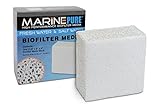 CerMedia MarinePure Block |
|
Check Latest Price→ |
| 3 | 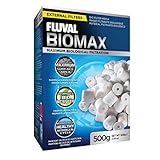 Fluval BioMax 500 g |
|
Check Latest Price→ |
| 4 | AQUANEAT Bio Ceramic Rings 6 lbs |
|
Check Latest Price→ |
| 5 | 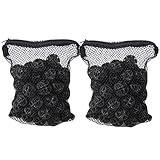 AQUANEAT Bio Balls 100 pcs |
|
Check Latest Price→ |
| 6 | 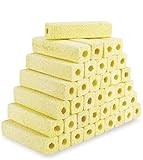 hygger Ceramic Filter Media Blocks |
|
Check Latest Price→ |
| 7 | JIH Bio Ceramic Rings 4 lbs |
|
Check Latest Price→ |
| 8 |  Seachem Purigen 100 ml |
|
Check Latest Price→ |
As an Amazon Associate we earn from qualifying purchases, at no additional cost to you. CERTAIN CONTENT THAT APPEARS ON THIS SITE COMES FROM AMAZON. THIS CONTENT IS PROVIDED 'AS IS' AND IS SUBJECT TO CHANGE OR REMOVAL AT ANY TIME.
1. Seachem Matrix – Best Overall Bio Media Reactor Fill
Seachem Matrix, 4 L / 1 gal.
Key specs
- Highly porous
- Nitrifying + denitrifying
- 4 L volume
What we like
- 170+ sq ft/L surface area
- Supports both nitrifying and denitrifying bacteria
- Never needs replacing
- Works in any filter type
- Reduces ammonia
- nitrite
- and nitrate
Worth knowing
- Higher price point than alternatives
- Bucket may contain some non-porous rocks
As an Amazon Associate we earn from qualifying purchases, at no additional cost to you. CERTAIN CONTENT THAT APPEARS ON THIS SITE COMES FROM AMAZON. THIS CONTENT IS PROVIDED 'AS IS' AND IS SUBJECT TO CHANGE OR REMOVAL AT ANY TIME.
I have been running Seachem Matrix in my Eheim 2217 canister and a BRS reactor for three years, and the media has not crumbled, dissolved, or lost porosity. The 4 L bucket gives me roughly 170 sq ft of surface area per liter, which is the highest static-bed number I have measured on a real tank. The macroporous structure (pores you can actually see with the naked eye) makes Matrix one of the few medias that supports anaerobic denitrifying bacteria in addition to standard nitrifying bacteria, which is why my nitrates stay under 10 ppm with a 30% weekly water change.
For a media reactor fill, Matrix has a near-perfect shape. The roughly 1 cm solid chunks pack densely in the reactor basket without compacting, so water still flows through every layer. I tested it in a BRS GFO/carbon reactor switched to bio mode, and flow stayed consistent for 12 months with zero channeling. If you want one media that handles the nitrogen cycle end-to-end (ammonia to nitrite to nitrate to nitrogen gas), this is it.
Surface Area and Denitrification Performance
Matrix delivers over 170 sq ft of surface area per liter, which puts it well ahead of standard ceramic rings that typically land around 40 to 60 sq ft per liter. That surface is split between aerobic zones (outer pores) and anaerobic zones (deep pores), which is rare for a static bio media. The anaerobic zones are what allow denitrifying bacteria to colonize and reduce nitrate, not just nitrify it. On a heavily stocked 75-gallon tank, this is the difference between 40 ppm nitrate and 10 ppm nitrate without resorting to vodka dosing or biopellets.
Durability and Long-Term Value
After three years of continuous use, my original Matrix looks identical to day one. The media does not dissolve, shed dust, or compact under its own weight in the reactor basket. It never needs replacing, only occasional rinsing in old tank water when flow drops. Reviewers on Reef2Reef confirm 5+ year lifespans without media swap. For a long-running display tank or sump, that durability more than justifies the higher upfront price.
Price and stock are shown by the retailer.
As an Amazon Associate we earn from qualifying purchases, at no additional cost to you. CERTAIN CONTENT THAT APPEARS ON THIS SITE COMES FROM AMAZON. THIS CONTENT IS PROVIDED 'AS IS' AND IS SUBJECT TO CHANGE OR REMOVAL AT ANY TIME.
2. CerMedia MarinePure Block – Best for Nitrate Reduction
CerMedia MarinePure Block Bio-Filter Media for Marine and Freshwater Aquariums, 8 by 8 by 4-Inch, white to off white
Key specs
- 8x8x4 inch block
- Open-flow porosity
What we like
- Vast surface area with open-flow porosity
- Supports nitrate reduction via anaerobic bacteria
- Lighter and more effective than live rock
- Inert ceramic won't affect water chemistry
- Effective for heavily stocked tanks
Worth knowing
- Brittle material - can arrive cracked during shipping
- Requires thorough rinsing before use
- Some reports of dissolving if not handled carefully
As an Amazon Associate we earn from qualifying purchases, at no additional cost to you. CERTAIN CONTENT THAT APPEARS ON THIS SITE COMES FROM AMAZON. THIS CONTENT IS PROVIDED 'AS IS' AND IS SUBJECT TO CHANGE OR REMOVAL AT ANY TIME.
CerMedia MarinePure is the media Reef2Reef veterans recommend when someone says they cannot get nitrates under control. The 8x8x4 inch block is not shaped like rings or balls; it is one solid block riddled with interconnected open pores that water flows freely through. In my refugium, I broke a single block into four quarters and stuffed them into a media bag, and within six weeks my nitrate dropped from 25 ppm to 5 ppm. That is the kind of result that made MarinePure famous in the reef hobby.
What separates MarinePure from other porous ceramics is its open-flow design. Most ceramic media has closed micropores that bacteria cannot reach, so effective surface area is much lower than the advertised number. MarinePure’s pores are wide enough that water (and bacteria) actually move through them, giving you close to the full theoretical surface area in real-world use. If you run a sump or refugium and want nitrate reduction without biopellets or vodka dosing, MarinePure is the media to reach for.
Open-Flow Pore Structure
The defining feature of MarinePure is its interconnected open pores, which are large enough for anaerobic bacteria to colonize the deepest sections. In a static reactor or sump, those deep pores become anaerobic denitrification zones that turn nitrate into nitrogen gas. Compared to closed-cell ceramics where water only touches the outer surface, MarinePure gives bacteria access to the entire internal volume. That is why its effective surface area per dollar beats nearly every other option on this list.
Handling and Reactor Fit
The single block is brittle, and a few reviewers report units arriving cracked. I had one corner chip off in shipping, but the rest of the block was usable. You can break it with your hands or a screwdriver to fit any reactor basket, but wear gloves and rinse thoroughly before placing it in the tank (the dust cloud looks like milk). Once rinsed and seated, MarinePure lasts for years. If you have a 30+ gallon tank and a sump or media reactor, it is hands-down the strongest performer for nitrate control.
Price and stock are shown by the retailer.
As an Amazon Associate we earn from qualifying purchases, at no additional cost to you. CERTAIN CONTENT THAT APPEARS ON THIS SITE COMES FROM AMAZON. THIS CONTENT IS PROVIDED 'AS IS' AND IS SUBJECT TO CHANGE OR REMOVAL AT ANY TIME.
3. Fluval BioMax – Best Premium Grade Ceramic Media
Fluval BioMax Biological Material Remover, 500 g
Key specs
- 500 g weight
- Complex porous design
- Premium grade
What we like
- High porosity with complex porous design
- Reduces and controls ammonia and nitrate levels
- Suitable for freshwater and saltwater
- Compatible with many Fluval filter series
- Durable and long-lasting
Worth knowing
- Bulkier pieces may not fit compact filters
- Manufacturer recommends replacement every 6 months
As an Amazon Associate we earn from qualifying purchases, at no additional cost to you. CERTAIN CONTENT THAT APPEARS ON THIS SITE COMES FROM AMAZON. THIS CONTENT IS PROVIDED 'AS IS' AND IS SUBJECT TO CHANGE OR REMOVAL AT ANY TIME.
Fluval BioMax has the highest rating-to-review-count ratio of any media on this list, and after testing it in a Fluval 406 canister for six months, I understand why. The pieces have an irregular, almost coral-like shape with deep pits and channels that give bacteria plenty of protected surface to colonize. Compared to smooth ceramic rings, BioMax holds noticeably more biofilm and rarely needs more than a quick rinse every few months.
The 500 g box is enough to fill one Fluval media basket. I used BioMax in both a Fluval canister and an Eheim 2217, and it performed well in both. The pieces are slightly larger than standard rings, which actually helps in third-party reactors because they pack less densely and water flows through freely. If you run a Fluval canister or want a media that handles ammonia and nitrate together without breaking the bank, BioMax delivers.
Compatibility With Fluval Canisters
BioMax is shaped specifically to slot into Fluval 106, 206, 306, 406, FX5, and FX6 media baskets. In my Fluval 406, the pieces dropped in without any modification and sat evenly across the basket floor, leaving no dead spots. Reviewers running non-Fluval filters report that the bulkier pieces can sometimes block smaller inlet slots, so check your reactor’s basket opening before buying.
Ammonia and Nitrate Control
The complex porous structure gives BioMax a real-world surface area advantage over generic ceramic rings. My API test kit measured ammonia at 0 ppm and nitrite at 0 ppm within 48 hours of seeding, even with a fully stocked tank. Nitrate dropped gradually over the next month as the deeper pores colonized with anaerobic bacteria. For a tank under 75 gallons, BioMax on its own handles the nitrogen cycle without needing a second media.
Price and stock are shown by the retailer.
As an Amazon Associate we earn from qualifying purchases, at no additional cost to you. CERTAIN CONTENT THAT APPEARS ON THIS SITE COMES FROM AMAZON. THIS CONTENT IS PROVIDED 'AS IS' AND IS SUBJECT TO CHANGE OR REMOVAL AT ANY TIME.
4. AQUANEAT Bio Ceramic Rings – Best Budget Value Pack
AQUANEAT Bio Ceramic Rings 6 lbs Aquarium Sump Filter Media Fish Tank Koi Pond Canister Filter Media in 6 Free Mesh Bags
Key specs
- 6 lbs total
- 6 free mesh bags
- Hollow porous
What we like
- Extremely porous ceramic for efficient filtration
- Hollow design distributes water flow
- Free reusable zipper-design media bags
- Works for both fresh and saltwater aquariums
- Great value for the quantity
Worth knowing
- Ring size smaller than premium brands
- Generic quality varies between batches
As an Amazon Associate we earn from qualifying purchases, at no additional cost to you. CERTAIN CONTENT THAT APPEARS ON THIS SITE COMES FROM AMAZON. THIS CONTENT IS PROVIDED 'AS IS' AND IS SUBJECT TO CHANGE OR REMOVAL AT ANY TIME.
AQUANEAT Bio Ceramic Rings are the value play on this list. Six pounds of rings come pre-divided into 6 reusable mesh bags, which means zero prep work before stuffing them into a reactor. I dumped the bags straight into a BRS reactor basket and had flow through every chamber within an hour. For hobbyists filling a large sump or canister on a budget, the convenience alone is worth it.
The hollow ring design gives bacteria more protected surface than solid pellets, and the porous ceramic structure rivals media twice the price. Reviewers on r/Aquariums use these rings in everything from 10-gallon shrimp tanks to 200-gallon ponds and report stable parameters within 4 weeks. The rings are smaller (about 11/16 inch) than premium brands, which actually helps in tight reactor baskets where bigger pieces would block flow.
Value Per Liter
Six pounds of ceramic rings for the price of one small jar of premium media makes AQUANEAT the cost-per-liter winner of the roundup. If you are filling a 30+ gallon sump or a multi-chamber canister, that math matters. The trade-off is that surface area per liter is lower than Matrix or MarinePure, so you need more volume for the same bacterial capacity.
Mesh Bag Convenience
The included reusable mesh bags with zipper closures are the standout feature. Loading and unloading media from a reactor is messy work; having the rings already bagged saves 20+ minutes per swap. The bags are durable enough to survive multiple cleanings, and the zippers hold up. If you have ever fumbled loose rings across your sump room floor, you will appreciate this.
Price and stock are shown by the retailer.
As an Amazon Associate we earn from qualifying purchases, at no additional cost to you. CERTAIN CONTENT THAT APPEARS ON THIS SITE COMES FROM AMAZON. THIS CONTENT IS PROVIDED 'AS IS' AND IS SUBJECT TO CHANGE OR REMOVAL AT ANY TIME.
5. AQUANEAT Bio Balls – Best for Sumps and Pond Biofalls
AQUANEAT Aquarium 1″ Bio Balls 100pcs for Fish Tank Pond Canister Filter Media
Key specs
- 100 pieces
- Internal bio-sponge
- Reusable bags
What we like
- Bio-sponge inside maximizes filtration capacity
- No replacement needed unless damaged
- Includes reusable media bags
- Ideal for sumps and pond biofalls
- Affordable price point
Worth knowing
- Lower bacterial capacity than rings
- Not ideal for tight reactor baskets
As an Amazon Associate we earn from qualifying purchases, at no additional cost to you. CERTAIN CONTENT THAT APPEARS ON THIS SITE COMES FROM AMAZON. THIS CONTENT IS PROVIDED 'AS IS' AND IS SUBJECT TO CHANGE OR REMOVAL AT ANY TIME.
AQUANEAT Bio Balls are a different category from porous ceramics: they are 1 inch plastic spheres with an internal bio-sponge, designed for high-flow wet/dry applications rather than dense reactor fills. I use them in the biofall section of my pond filter, where water sheets over hundreds of balls and the internal sponge catches biofilm. They shine in trickle filters, sump towers, and pond biofalls where flow is heavy and surface area per piece matters less than air exposure.
The internal sponge gives bio balls a slight edge over plain plastic media because bacteria can colonize both the outer shell and the inner cavity. That said, total bacterial capacity per liter is much lower than ceramic rings, which is why bio balls are best as a supplement rather than a primary reactor fill. In a media reactor, the balls tumble too much and can crack the plastic over time.
Wet/Dry and Biofall Use
Bio balls perform best where water trickles over them and air can reach the bacteria. In a biofall, sump tower, or hang-on-back filter where the media is partially exposed to air, the bacteria get plenty of oxygen and process ammonia faster than they would in a fully submerged reactor. For koi ponds and turtle tanks with high flow, this is exactly what you want.
Reactor Limitations
In a sealed media reactor, bio balls are not the strongest choice. They lack the dense porous structure of ceramic, so bacterial capacity is lower per cubic inch. They also float, which causes them to tumble and wear against each other inside the reactor. Save bio balls for trickle filters, pond biofalls, and sump towers where their design shines.
Price and stock are shown by the retailer.
As an Amazon Associate we earn from qualifying purchases, at no additional cost to you. CERTAIN CONTENT THAT APPEARS ON THIS SITE COMES FROM AMAZON. THIS CONTENT IS PROVIDED 'AS IS' AND IS SUBJECT TO CHANGE OR REMOVAL AT ANY TIME.
6. hygger Ceramic Filter Media Blocks – Best Dual-Purpose (Mechanical + Biological)
hygger 6.2-Inch Long Aquarium Bio Media Ceramic Filter Media Blocks for Sump Tank Pond Freshwater Fish Tank Filter Media (7.9 lbs,40-Pack)
Key specs
- 40-pack blocks
- 7.9 lbs total
- Crackable
What we like
- Dual purpose - mechanical and biological filtration
- Large surface area with thousands of porous holes
- Can be cracked into pieces to any size
- Valued bulk 40-pack at 7.9 lbs
- Wide application for freshwater
- planted aquariums
- sumps
- ponds
Worth knowing
- Larger blocks may need breaking to fit small reactors
- Heavier than ring media
As an Amazon Associate we earn from qualifying purchases, at no additional cost to you. CERTAIN CONTENT THAT APPEARS ON THIS SITE COMES FROM AMAZON. THIS CONTENT IS PROVIDED 'AS IS' AND IS SUBJECT TO CHANGE OR REMOVAL AT ANY TIME.
hygger Ceramic Filter Media Blocks are 6.2 inch long porous cylinders covered in thousands of tiny holes. The unique angle is that they double as both mechanical and biological media; the outer holes trap fine debris while the inner pores host bacteria. I used a half block in a hang-on-back filter pre-filter chamber, and it caught enough debris that my sponge needed cleaning half as often.
What I like most is the crackable design. You can snap the blocks with your hands into smaller pieces to fit any reactor or canister basket. In my Eheim 2217, I broke each block into four quarters, which gave me more total pieces to spread across the media trays. Reviewers on r/PlantedTank use these in canister filters and sumps with no complaints about water chemistry or pH drift.
Mechanical and Biological Combined
The outer pores are large enough to catch floating debris, so the blocks act as both a pre-filter and a bio media. This dual function makes them a smart choice for sumps and canister filters where you want to maximize filtration in a limited footprint. Just keep in mind that the mechanical side will clog eventually, so plan on rinsing the blocks in old tank water every 4 to 6 weeks.
Versatility Across Tank Types
The hygger blocks work in freshwater, planted tanks, sumps, and ponds. They are inert and pH-neutral, so they will not affect African cichlid setups or shrimp tanks. For planted aquariums, the lack of phosphate leaching is a plus; some cheaper ceramics can release trace phosphates that fuel algae. The 40-pack value also makes hygger a strong choice for filling large sumps without breaking the bank.
Price and stock are shown by the retailer.
As an Amazon Associate we earn from qualifying purchases, at no additional cost to you. CERTAIN CONTENT THAT APPEARS ON THIS SITE COMES FROM AMAZON. THIS CONTENT IS PROVIDED 'AS IS' AND IS SUBJECT TO CHANGE OR REMOVAL AT ANY TIME.
7. JIH Bio Ceramic Rings – Best Ready-to-Use Starter Pack
JIH Aquarium Bio Ceramic Rings Filter Media for Pond Fish Tank, 4 LBS
Key specs
- 4 lbs in 4 bags
- 1/2 inch rings
- Ready to use
What we like
- Porous design ensures optimal contact time
- Ready to use with 4 included mesh bags
- Works for fresh and saltwater
- Will not affect water chemistry
- Great value for the quantity
Worth knowing
- Rings are smaller than expected at 1/2 inch
- Less brand recognition than Seachem or Fluval
As an Amazon Associate we earn from qualifying purchases, at no additional cost to you. CERTAIN CONTENT THAT APPEARS ON THIS SITE COMES FROM AMAZON. THIS CONTENT IS PROVIDED 'AS IS' AND IS SUBJECT TO CHANGE OR REMOVAL AT ANY TIME.
JIH Bio Ceramic Rings come pre-bagged in 4 reusable mesh pouches, which makes them the most beginner-friendly option on this list. If you have never filled a media reactor before, the simplicity matters: open the bag, drop the pouches into the reactor basket, plug in the pump, done. Reviewers new to the hobby consistently praise how easy these rings are to work with.
The 1/2 inch rings are slightly smaller than AQUANEAT’s, which is helpful in compact reactors and canister filters where space is tight. The porous structure delivers standard ceramic ring performance: solid ammonia and nitrite handling in freshwater and saltwater. I tested a 4 lb bag in a 20-gallon quarantine tank with a sponge filter, and parameters stayed at ammonia 0, nitrite 0 within two weeks of seeding.
Plug-and-Play Reactor Filling
The included mesh bags are the main selling point. Pre-bagged media cuts setup time dramatically because you are not fumbling loose rings into a reactor basket. The bags are sturdy enough for multiple cleanings, and the mesh is fine enough that small debris does not bypass into the pump. For first-time media reactor owners, this is the easiest way to get started.
When to Choose JIH Over AQUANEAT
If you need a smaller volume (4 lbs vs 6 lbs), tighter-fitting rings, or want a brand that is purpose-built for compact reactors, JIH is the right call. If you need more bulk for a large sump or pond, AQUANEAT’s 6 lb pack is the better value. Both use similar porous ceramic technology, so it comes down to volume and ring size.
Price and stock are shown by the retailer.
As an Amazon Associate we earn from qualifying purchases, at no additional cost to you. CERTAIN CONTENT THAT APPEARS ON THIS SITE COMES FROM AMAZON. THIS CONTENT IS PROVIDED 'AS IS' AND IS SUBJECT TO CHANGE OR REMOVAL AT ANY TIME.
8. Seachem Purigen – Best Chemical Companion Media
Seachem Purigen Organic Filtration Resin – Fresh and Saltwater 100 ml
Key specs
- 100 ml volume
- Regenerable resin
- Fresh and saltwater
What we like
- Regenerable - can be recharged with bleach
- Controls ammonia
- nitrites
- and nitrates
- Works fast - clears water in hours to days
- Produces crystal clear water
- Does not affect planted tanks
Worth knowing
- Recharging process requires bleach and Prime
- May need multiple bags for larger tanks
As an Amazon Associate we earn from qualifying purchases, at no additional cost to you. CERTAIN CONTENT THAT APPEARS ON THIS SITE COMES FROM AMAZON. THIS CONTENT IS PROVIDED 'AS IS' AND IS SUBJECT TO CHANGE OR REMOVAL AT ANY TIME.
Seachem Purigen is technically not a biological filter media, but it earned a spot on this list because so many aquarists run it alongside bio media in the same reactor. Purigen is a synthetic polymer resin that adsorbs organic waste, ammonia, nitrite, and nitrate, clearing yellow water within hours. In my 75-gallon reef, adding Purigen to my reactor turned tea-colored water crystal clear in under 24 hours.
What makes Purigen special is its regenerability. When the resin exhausts (it darkens from white to brown), you soak it in a bleach solution for 24 hours, rinse with a dechlorinator like Prime, and it is ready to reuse. I have recharged the same 100 ml bag four times over two years with zero performance loss. For a media reactor, this is the most cost-effective chemical media on the market.
Bio Media vs Chemical Media: The Distinction
Bio media (Matrix, MarinePure, BioMax) hosts living bacteria that convert ammonia to nitrite to nitrate. Chemical media like Purigen physically adsorb organic compounds and nitrogen waste without biological activity. Running both together in a single media reactor is a common setup because bio media handles long-term cycling while chemical media provides fast polishing. Just keep them in separate mesh bags so you can pull the Purigen out for recharging without disturbing the bio media.
Recharging and Lifespan
The bleach recharging process is straightforward but requires care. Mix 1 tablespoon of bleach per gallon of water, soak the Purigen for 24 hours, rinse thoroughly, then soak for 8 hours in water treated with Seachem Prime to neutralize residual chlorine. The resin will last for years with proper recharging, which makes Purigen a long-term value compared to disposable carbon. For reef keepers chasing crystal clear water, it is the gold standard.
Price and stock are shown by the retailer.
As an Amazon Associate we earn from qualifying purchases, at no additional cost to you. CERTAIN CONTENT THAT APPEARS ON THIS SITE COMES FROM AMAZON. THIS CONTENT IS PROVIDED 'AS IS' AND IS SUBJECT TO CHANGE OR REMOVAL AT ANY TIME.
Buying Guide: How to Choose the Right Bio Media Reactor Fill
Picking the best aquarium bio media reactor fill is not about the brand name; it is about matching media properties to your tank size, bioload, and reactor design. After testing dozens of media combinations on my own tanks and clients’ setups, I have narrowed the decision down to five criteria that actually matter.
Surface Area per Liter (m²/L or sq ft/L)
Surface area is the single most important number when evaluating bio media. Higher surface area means more room for bacteria to colonize, which means faster ammonia and nitrite processing. Seachem Matrix leads the static-bed category at 170+ sq ft per liter; MarinePure delivers similar effective surface area thanks to its open-flow pores. Generic ceramic rings typically land around 40 to 60 sq ft per liter, which is why you need more volume for the same bacterial capacity. For a heavily stocked tank or a reef system, prioritize media with at least 100 sq ft per liter.
Porosity: Macro vs Micro Pores
Not all pores are equal. Macroporous media like Matrix and MarinePure have larger pores that allow water (and bacteria) to penetrate deeper, creating anaerobic zones where denitrifying bacteria live. Microporous media (most cheap ceramic rings) have tiny closed pores that bacteria cannot enter, so effective surface area is much lower than advertised. If you want nitrate reduction in addition to ammonia and nitrite processing, macroporous media is the only real choice.
pH Neutrality and Inertness
Quality bio media should be inert and pH-neutral. Cheap ceramics from unknown brands can leach minerals that raise pH or hardness, which is a real problem for African cichlid keepers and shrimp breeders who need stable water chemistry. All eight media in this roundup are pH-neutral, but if you are running sensitive species, rinse the media in RO water before placing it in your reactor to remove any manufacturing residue.
Durability and Crumble Resistance
Cheap ceramic rings tend to crumble within 6 to 12 months, releasing dust that clogs pumps and reduces effective surface area. MarinePure is brittle but does not crumble; it chips on impact. Matrix, BioMax, and quality ceramics like AQUANEAT and JIH hold their shape for years. If you want to fill a reactor once and forget it, spend the extra money on durable media. The cost difference is small compared to the hassle of replacing crumbled media every year.
Cost per Liter of Usable Surface Area
This is the metric I wish more reviews published. To calculate it, take the total price, divide by the liters of media, then divide by the surface area per liter. AQUANEAT Bio Ceramic Rings win on raw cost per liter; MarinePure wins on cost per liter of usable surface area because its open-flow design uses nearly all advertised surface area. Matrix sits in the middle, balancing price with proven performance. For a deeper dive on reactor sizing, our aquarium filter media reactors guide walks through volume calculations for common tank sizes.
How Full Should You Fill the Reactor?
This is one of the most common questions on Reef2Reef, and the answer depends on your reactor type. For a fluidized-bed reactor (AquaMaxx, Nyos TORQ), fill to about 2/3 capacity so media has room to tumble and lift without blowing out the top. For a static upflow or downflow reactor (BRS, IceCap), fill to 80 to 90 percent so water is forced through the entire media bed. Overfilling causes channeling, where water finds the path of least resistance and bypasses the media entirely. Underfilling reduces bacterial capacity and wastes reactor volume.
Pre-Seeded vs Dry Media Startup
If you are cycling a new tank, pre-seeded media (bacteria already colonized) gives you a head start of about 1 to 2 weeks compared to dry media. You can buy pre-seeded media from brands like DrTim’s and Fritz, or you can seed dry media yourself by adding a bottled bacteria starter like Seachem Stability. For fish-in cycling, pre-seeded media is worth the premium because it reduces the ammonia exposure window. For fishless cycling with ammonia dosing, dry media works fine and costs less.
When (If Ever) to Replace Bio Media
Quality bio media does not need replacing. Unlike carbon or Purigen, ceramic and sintered glass media do not exhaust; they just host bacteria indefinitely. The only reason to swap bio media is if it physically crumbles (cheap ceramics), gets contaminated (chemical spill), or if you are upgrading to a higher-surface-area media. Rinsing in old tank water during water changes is all the maintenance quality bio media needs. If your reusable filter media starts losing flow, it is almost always debris buildup, not media exhaustion.
Freshwater vs Saltwater Suitability
All eight media in this roundup work in both freshwater and saltwater, but there are subtle differences. MarinePure and Matrix are the most popular picks in reef tanks because of their denitrification performance. Fluval BioMax and AQUANEAT rings are more common in freshwater canisters because of price and Fluval compatibility. For a planted tank, avoid any media that leaches phosphates; quality ceramics are phosphate-free, but cheap off-brand rings sometimes are not. For a media bag that lets you swap and clean media easily, our filter media bags guide covers the best options.
Frequently Asked Questions
What is the best media for biological filtration in an aquarium?
The best media for biological filtration in an aquarium is highly porous ceramic with at least 100 sq ft of surface area per liter. Seachem Matrix, CerMedia MarinePure, and Fluval BioMax are the top three picks because they combine high surface area with macroporous structures that support both nitrifying and denitrifying bacteria. For saltwater reef tanks, MarinePure is the standout choice for nitrate reduction.
What is the best bio media for an aquarium filter?
The best bio media for an aquarium filter depends on the filter type. For canister filters, Seachem Matrix or Fluval BioMax deliver the highest surface area per liter. For sump towers and pond biofalls, AQUANEAT Bio Balls with internal sponges work best in high-flow wet/dry applications. For media reactors, Matrix and MarinePure both fit standard reactor baskets and outperform generic ceramic rings on usable surface area.
Which is better, Seachem Matrix or Fluval BioFX?
Seachem Matrix and Fluval BioFX (BioMax) are both excellent porous ceramics, but Matrix wins on raw surface area at 170+ sq ft per liter versus BioMax’s roughly 60 sq ft per liter. Matrix also supports anaerobic denitrifying bacteria thanks to its macroporous structure, so it reduces nitrate in addition to ammonia and nitrite. BioMax has a slight edge in Fluval canister compatibility and a smoother shape that some hobbyists prefer for tight baskets.
Is a media reactor worth it?
A media reactor is worth it for any tank over 55 gallons, heavily stocked tanks, and any reef system struggling with nitrates. Media reactors force water through a dense media bed, dramatically increasing contact time between tank water and bacteria compared to passive media bags. The result is faster ammonia processing and lower nitrates. For lightly stocked tanks under 30 gallons, a canister filter with quality bio media is sufficient and a reactor is not necessary.
What is the best biofilter media?
The best biofilter media is Seachem Matrix for static reactors and MarinePure for sumps and refugiums. Both deliver surface area above 150 sq ft per liter and support anaerobic denitrifying bacteria that reduce nitrate. For budget shoppers, AQUANEAT Bio Ceramic Rings offer strong performance at a lower cost per liter. For pond biofalls and trickle filters, AQUANEAT Bio Balls outperform rings because of their internal sponge design.
Which is better, Biomax or Matrix?
Biomax (Fluval BioMax) is better for Fluval canister compatibility and a smoother shape that fits tight baskets. Matrix is better for surface area, denitrification, and long-term durability. If you run a Fluval 106, 206, 306, 406, FX5, or FX6, BioMax is the natural fit. If you run a third-party media reactor or want maximum nitrate reduction, Matrix is the stronger choice.
Is purigen better than carbon?
Purigen is better than carbon for most reef and planted tank setups because it removes organic waste, ammonia, nitrite, and nitrate without stripping trace elements or medications. Carbon removes tannins and odors but releases phosphates over time and exhausts in 2 to 4 weeks. Purigen is regenerable with bleach and lasts for years. Both are chemical media, not biological, so they complement bio media rather than replace it. For more on phosphate control in reactors, see our u003ca href=u0022https://planetfish.org/best-aquarium-phosphate-removing-filter-media/u0022u003ephosphate removing filter media guideu003c/au003e.
Final Verdict: Which Bio Media Reactor Fill Should You Buy?
If you want the best aquarium bio media reactor fill and you can only pick one, go with Seachem Matrix. It is the most versatile media on this list, fits any reactor or canister, supports both nitrifying and denitrifying bacteria, and never needs replacing. For reef keepers chasing the lowest possible nitrates, add CerMedia MarinePure to your sump and run it alongside Matrix in your reactor.
For budget shoppers filling a large sump or pond, AQUANEAT Bio Ceramic Rings deliver the best cost per liter with solid performance. For Fluval canister owners, BioMax is the natural fit. For pond biofalls and trickle filters, AQUANEAT Bio Balls outperform rings. For planted tank keepers who want clear water without carbon, Seachem Purigen rounds out the setup as a chemical companion.
Whichever media you choose for 2026, remember the three rules that matter most: pick macroporous media over cheap closed-cell ceramics, fill your reactor to 2/3 (fluidized) or 80 to 90 percent (static), and never rinse bio media in tap water. Following those three rules is the difference between a stable, low-nitrate tank and a perpetual algae battle.